Think about how you search online today: you type in a question, open five tabs, skim through long articles, close three of them, scroll endlessly, and still don’t feel fully satisfied. That’s exactly why the AI search engine is gaining so much attention.
People do not want links anymore; they want clear answers, explanations in simple terms, and results that really understand what they are asking for. This behavior change has brought AI-powered search into the spotlight.
In this blog, we’ll talk honestly about what an AI search engine really is, how it feels different from Google-style search, which free AI search engine options are worth trying, and one realistic AI search engine you can explore today.
What Makes an AI Search Engine Feel Different?
A traditional search engine waits for you to tell it exact keywords. On the other hand, AI search engines try to get what you actually mean.
For example:
- Traditional search: “best laptop under 50,000.”
- AI Search: “Which is a good laptop to buy for office work and light editing within ₹50,000?
The second question is natural, and AI search engines handle it with ease. They don’t just display product pages but can summarize options, describe differences, and sometimes even ask for follow-up questions.
That’s the biggest difference: AI search engines act more like a smart assistant than a simple search box.
How AI-Powered Search Works
You don’t need a technical background to understand this topic.
An AI-powered search system mainly performs three functions:
- Reads your question like a human
- Understands context, not just words
- Delivers a summarized, useful response
Unlike keyword-matching search engines, an AI search engine finds meaning, patterns, and intention behind the data inquiry as well as the data itself.
This may explain why phrases such as
- Short explanations instead of long articles
- Bullet-point answers
- Follow-up suggestions
- Sources included directly in the answer
This approach saves time and feels far less frustrating.
Why People Are Switching to AI Search Engines
There is a reason people are currently looking for ‘AI search engine free’. The experience feels better.
Here’s why users are changing their loyalties:
1. Less Clicking, More Understanding

AI search engines reduce the need to open multiple pages. You get the point quickly.
2. Better for Research
Whether it’s a school project, blog writing, or market research, AI-powered search helps summarize complex topics.
3. Conversational Searches
You can also ask more questions, as if in conversation with the person who knows this stuff.
4. Cleaner Interface
Most AI-powered search engines are distraction-free. No ads to be seen.
Free AI Search Engine Options That Are Actually Useful
A common question people ask is:
“Is there any good free AI search engine?”
Yes, there are several. And many are quite powerful even without paying.
Typically, a free artificial intelligence-based search engine may allow for the following:
- Unlimited basic searches
- AI-generated answers
- Research Summaries
- Source Links
While some limits on more advanced features may exist, for daily use, free versions will do just fine.
AI Search Engines List You Should Know About
Here’s a practical, honest list of AI search engines, not just names, but also on how you can use them.
1. Perplexity AI
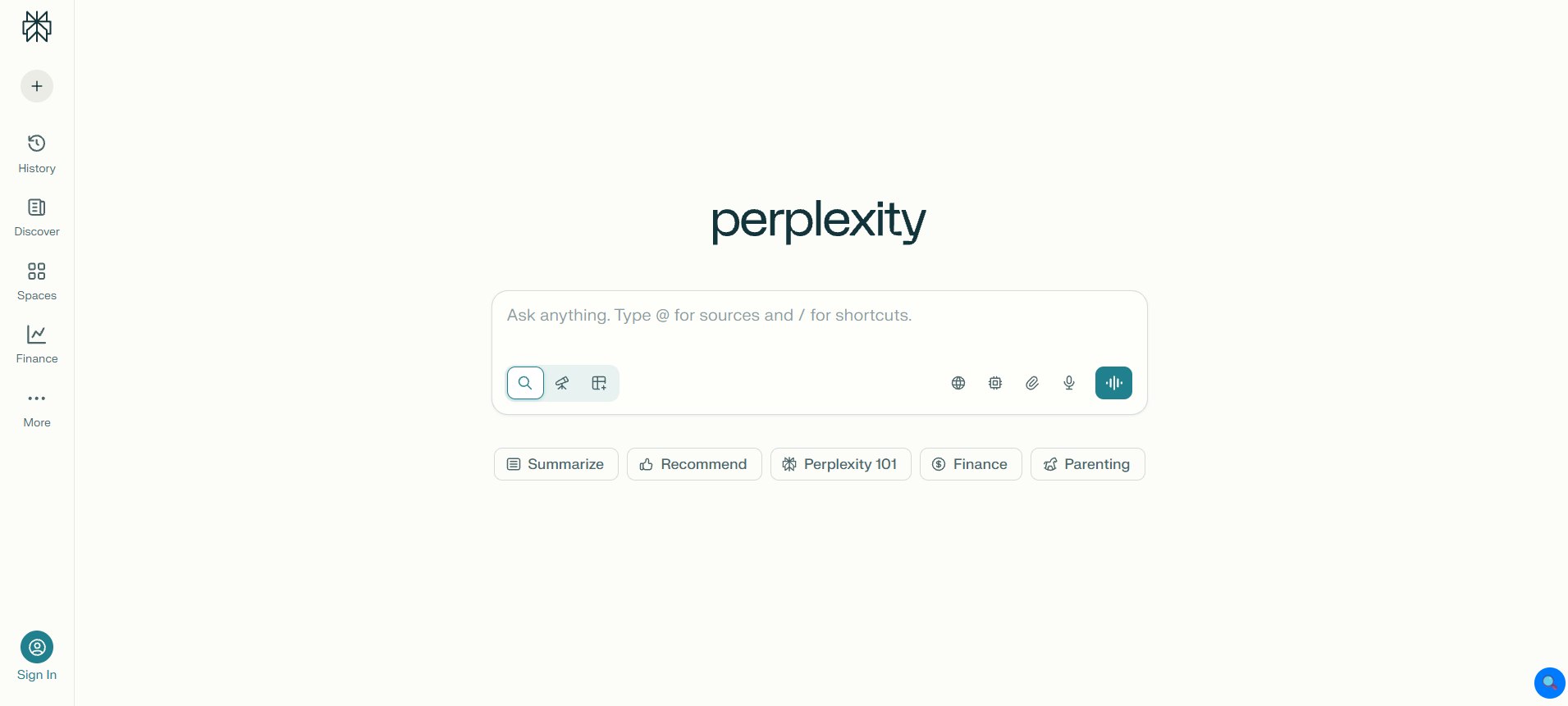
One of the most popular AI search engines available at the moment. It gives very clear answers with sources, and that is the basis why students, writers, and professionals enjoy using it. Many users depend on its free version AI search engine every day.
2. You.com
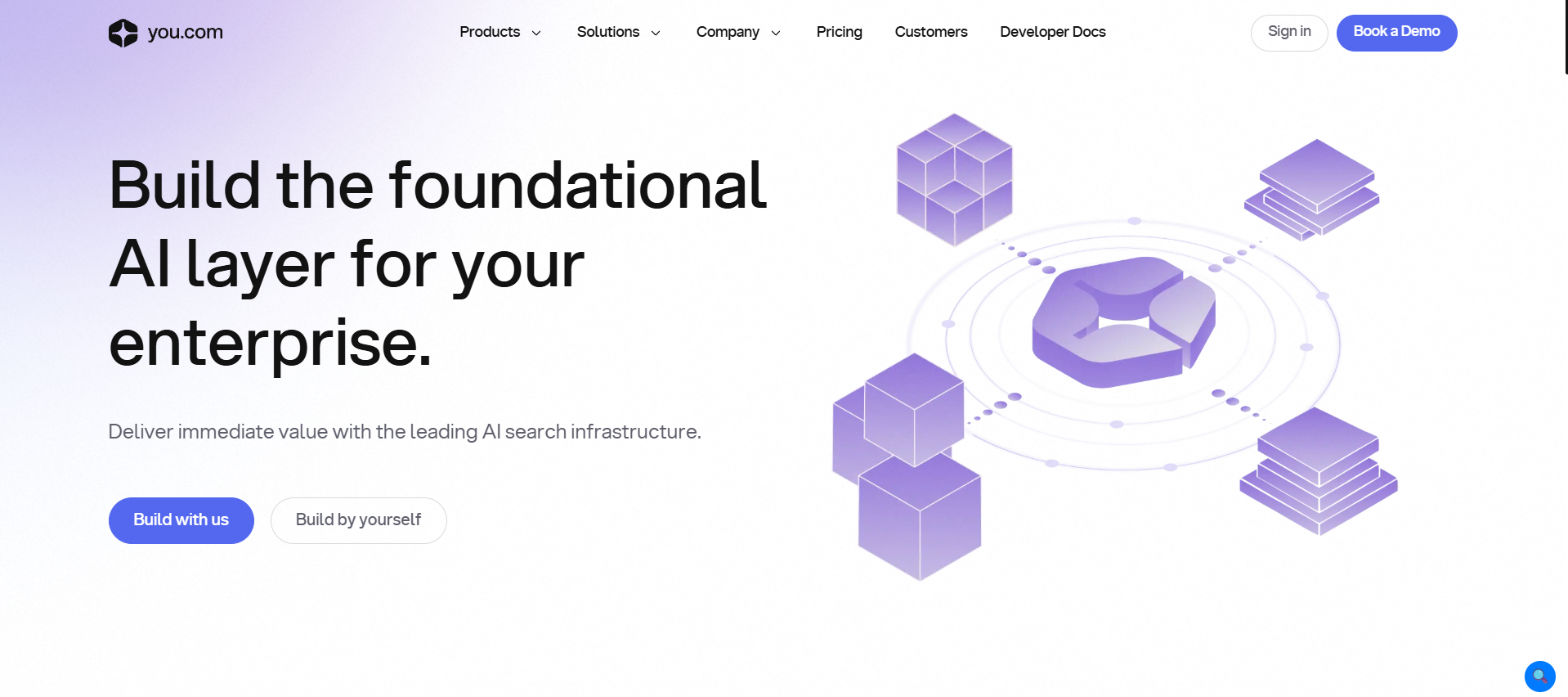
This allows you to combine the AI results with the regular results. This tool can be useful if you are transitioning from Google’s regular search engine to an AI-powered search.
3. Bing AI Search
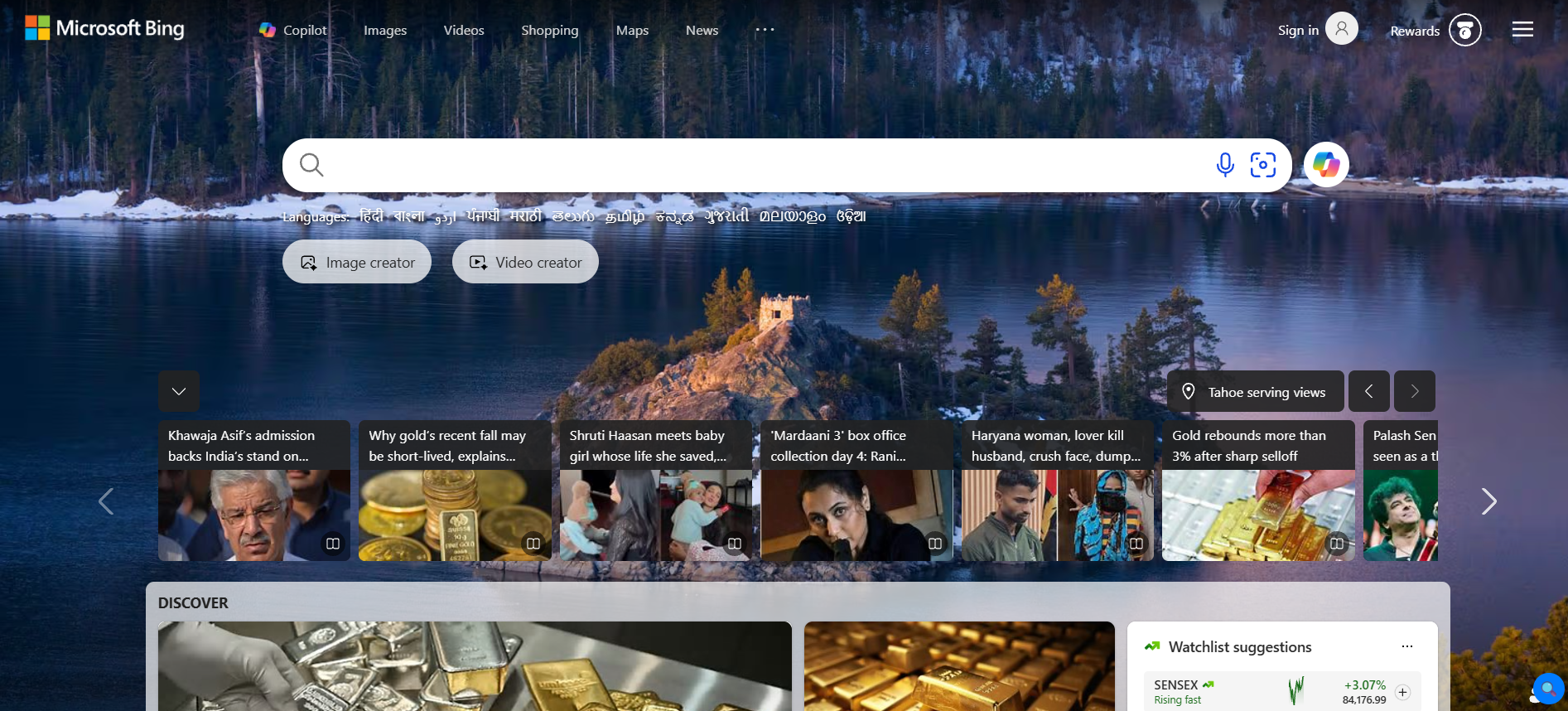
Microsoft Search, powered by AI, searches both the web and conversational results. It’s good for existing topics and comparisons.
4. Brave Search (AI Summary Mode)
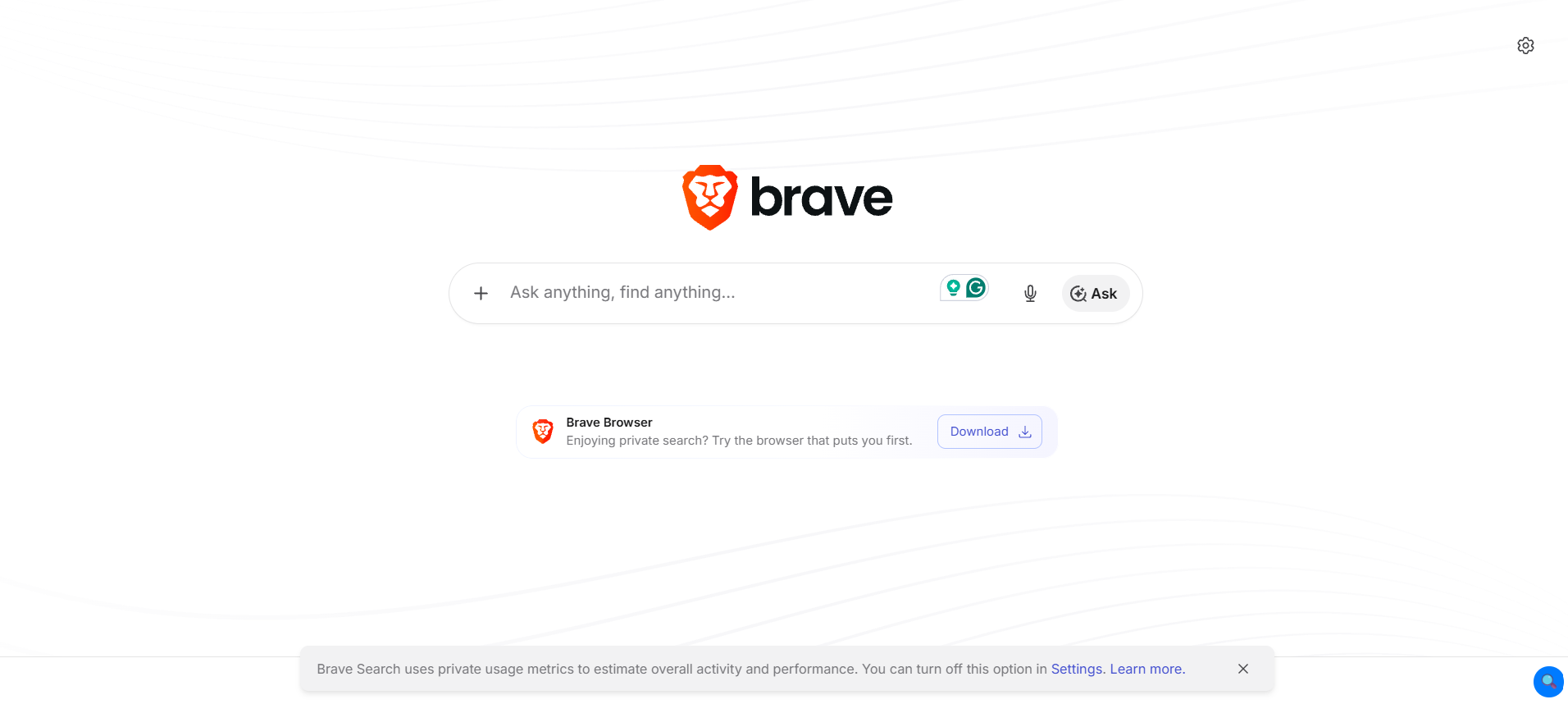
Ideal for those who value their privacy. Brave does not track you, while also offering AI-generated summaries.
5. Phind
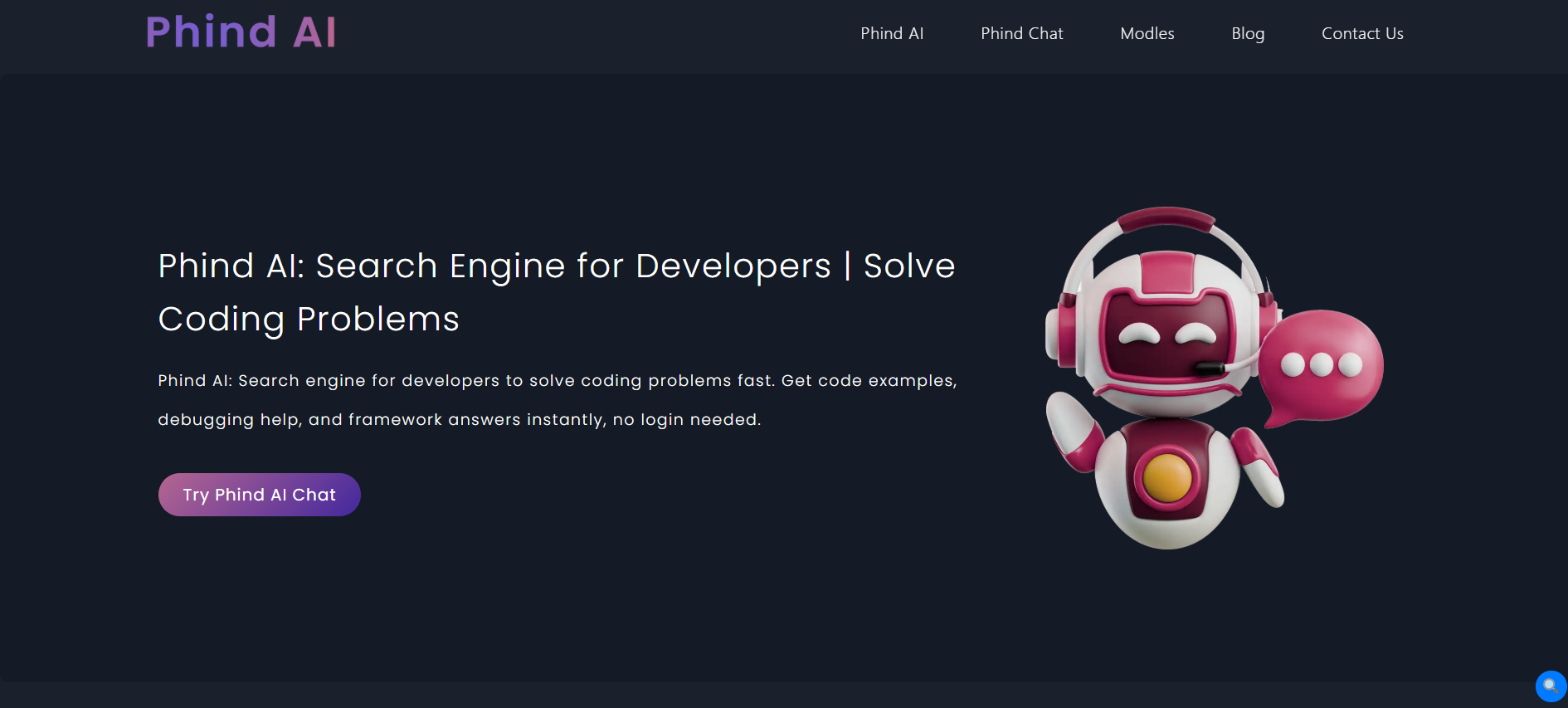
If you’re into coding or doing technical research, it’s extremely useful with Phind. It explains code, frameworks, and errors in simple terms.
The growing list lies in the fact that AI search engines are no longer experimental; they’re practical.
AI Search Engine Free vs Paid: Do You Really Need to Pay?
For most people, the answer is no.
A free AI search engine is enough if you:
- Do casual research
- Write content
- Study topics
- Compare products
- Explore ideas
Paid versions make sense only if you:
- Do heavy professional research
- Need file uploads or long document analysis
- Want faster and deeper responses
Start free. Upgrade only if you actually feel the limitation.
How AI Search Is Changing SEO and Content Writing
That’s important, whether you’re a blogger, marketer, or business owner.
AI-powered search doesn’t reward content that is simply stuffed with keywords.
It prefers content that is below.
- Answers real questions
- Explains clearly
- Is structured logically
- Feels human and helpful
That’s why human-written material is more important than ever.
Ironically, the rise of AI search engines pushes writers to actually sound more human, not robotic.
Are AI Search Engines Perfect?
Let’s be real, AI search engines have their flaws.
Sometimes:
- Answers can be slightly inaccurate
- Information May Be Outdated
- Context can be misunderstood
That’s why smart users cross-check important information. AI search engines are assistants, not absolute authorities.
The Future of AI Search Engines
The future of the AI search engine looks very clear.
Search will become:
- More conversational
- More personalized
- More visual
- Less dependent on links
- More focused on understanding intent
Soon, searching won’t feel like “searching” at all. It’ll feel like asking a knowledgeable person for help.
Wrapping It Up
The rise of the AI search engine isn’t a trend; it’s a shift in human desire when it comes to information technology. People want clarity, speed, and understanding, which, unfortunately, a traditional search process cannot provide in the way that an AI search process will allow.
Whether you’re investigating the free AI search engine option, comparing several options on an AI search engine list, or slowly transitioning beyond the current world of keyword-based searches, the following is obvious: search is more human than ever.
And honestly, that is something we’ve all been waiting for.