AI Workflows vs AI Agents: What’s the Difference and Which One Should You Use?

AI is no longer limited to only chatbots. Enterprises use AI workflows and AI agents for automation purposes, handling data, customer care, and operational processes. However, these two are different from each other.

AI workflow has a fixed path to complete a particular job, but the AI agent decides on its own which process should be used to do the job. According to Gumloop, workflows have a pre-defined route, while the AI agent has the ability to make decisions.

Learning about AI workflows vs agents will allow companies to learn which is appropriate rather than using an agent to do something that could be done with a workflow.

What Is an AI Workflow?

ai workflow

Source Image: labellerr.com

An AI workflow consists of a set of pre-defined processes that work together to achieve an assigned task, which uses AI at the appropriate stages.

For example, consider the case of a firm receiving an email from a client. An AI workflow will be able to do the following.

  • Read the email.
  • Recognize the kind of request it is.
  • Forward it to the appropriate department.
  • Generate a support ticket.
  • Send an automatic confirmation reply.

The workflow does not decide what the next step will be on its own. This is done by the creator of the workflow in advance.

This makes workflows useful for tasks that need to be performed regularly and have a defined process. AI workflows are more manageable since their execution path is known beforehand.

What Is an AI Agent?

ai agent

Source Image: imgproxy.divecdn.com

An AI agent is a system that can understand the objective, make decisions, use tools, and select what actions to take to complete tasks.

In this case, a client can approach an AI agent to know the reason behind an overdue order. Instead of following one fixed path, the agent could decide to the following.

  • Check the order database
  • Look at the shipping status
  • Check the expected delivery date
  • Review previous customer messages
  • Explain the issue to the customer
  • Escalate the case if needed

The process may vary depending on the data that is present. For further knowledge about the functioning of AI agents, read our detailed guide on how to build an AI agent.

AI Workflows vs Agents: Key Differences

The key difference between an AI Workflow and an AI Agent is the decision-making process.

AI Workflow works according to the pre-defined instructions. AI Agent is free to choose the way of working on any task.

Factor AI Workflow AI Agent
Process Predefined Dynamic
Decision-making Rule-based AI-driven
Flexibility Lower Higher
Control High Moderate
Predictability High Lower
Best for Repetitive tasks Open-ended tasks
Tool use Predefined Agent can select tools

AI Agent Orchestration vs Workflows

Understanding AI agent orchestration and workflows also represents another key area of difference.

Workflow orchestration refers to the process of designing the order in which various processes should be executed. For instance, one workflow may gather customer details while another checks the order, and yet another may send out an email.

AI agent coordination takes this one step further because the agent decides which tool or process to use depending on the particular task. Let us compare a workflow with a path. A workflow is a predefined path, but an agent would choose a good path based on observation.

Agents vs Workflows: Which Is Better?

There is not necessarily one winner between agents and workflows. It all depends on what the task is.

Use AI Workflows When:

  • The task has clear steps.
  • You need predictable results.
  • The process happens frequently.
  • You want strong control over each step.
  • Cost and reliability are important.
  • The task does not require much decision-making.

For example, sending an invoice after receiving the payment is a good workflow task.

Use AI Agents When:

  • The task is open-ended.
  • Different situations require different actions.
  • The agent needs to use multiple tools.
  • The steps cannot be decided in advance.
  • The task requires reasoning and adaptation.

For example, researching the possible clients and choosing those that will get follow-up can be done better by an agent.

How to Choose Between AI Workflows and AI Agents

Before choosing between the two, ask a few simple questions:

1. Is the process predictable?
If yes, start with a workflow.

2. Does the task require decisions?
If yes, an AI agent may be more suitable.

3. Are there fixed steps that should never change?
Use a workflow for those parts.

4. Does the system need to choose its own tools or actions?
An agent may be a better fit.

5. Do you need both control and flexibility?
Use a combination of workflows and agents.

You can also explore our guide to the top AI agent builders if you are comparing platforms for building AI agents.

AI Workflows vs Agents: Final Verdict

Deciding whether to use AI workflows or agents depends on the work to be automated.

If what one is looking for is predictable and repeatable work with total control of each process, then using workflows is advisable. If one needs complex work that requires decision-making, then one should use AI agents.

In many cases, the ideal way to handle things is by not having to choose between the two. Use workflows for structured tasks while using agents for decision-making. This will make your system both dependable and flexible.

If you are exploring business use cases, our guide to the best AI agents for business can help you understand where agents can provide the most value.
By Alex Peter

Alex Peter is an AI specialist at Innovexa AI with more than 5 years of practical experience in artificial intelligence. He focuses on AI agents, AI workflows, cutting-edge AI tools, and the latest advancements shaping the industry. Passionate about simplifying complex concepts, Alex writes insightful content that helps readers stay informed and ahead in the fast-changing world of AI.

ChatGPT Alternatives : 7 AI Assistants Worth Trying

With time, ChatGPT became the first choice for help with everything from writing to research and coding, as well as general purposes. 

After trying many AI assistants, one thing became obvious to me: ChatGPT is not necessarily the right choice for everyone. 

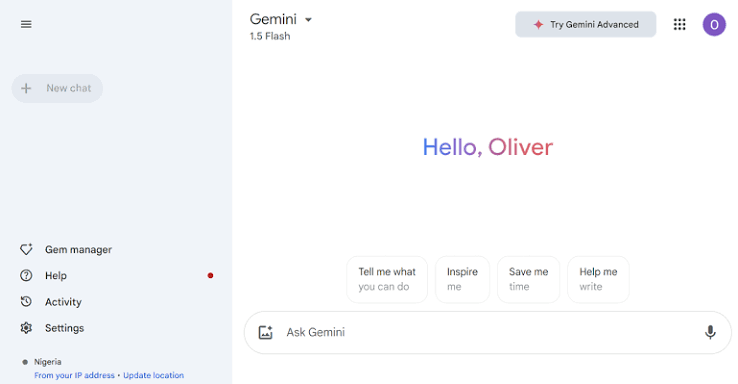
Some users may need better research features, so they can use platforms like Claude, Google Gemini, and Grok.

According to a Gartner prediction, over 80% of organizations will be using AI applications or APIs by 2026, which shows that companies and people are moving beyond just a single AI tool.

In this guide, I have compared the top ChatGPT alternatives 2026 based on their features, prices, strengths, and weaknesses.

Quick Comparison Table

Platform

Best For Free Plan Starting Price

Claude

Writing and long documents Yes

$20/month

Google Gemini Google Workspace users Yes

$19.99/month

Microsoft Copilot

Microsoft users Yes $20/month
Perplexity Research and fact-checking Yes

$20/month

DeepSeek

Free AI reasoning Yes Free
Grok Real-time information Limited

$8/month

Mistral Le Chat

Lightweight AI assistance Yes

Free

1. Claude – Best for Writing and Long Documents

claude

I explored Claude while searching for something that would be good at dealing with complex writing processes, and I liked that Claude understands long documents without missing context. 

Although ChatGPT is quite good with all tasks, Claude is particularly good at writing reports, research papers, contracts, and other content.

It was helpful when dealing with bulk data because the answers were well thought out. As far as writers, researchers, and professionals who have to deal with long content are concerned, 

Claude happens to be one of the best ChatGPT alternatives out there.

Strengths

  • Excellent long-form writing
  • Handles large documents
  • Strong reasoning ability
  • Natural responses
  • File analysis support

Limitations

  • Limited image features compared to competitors
  • Usage limits on free plans

Best For

Writers, researchers, students, analysts, and professionals.

Pricing

  • Free Plan: $0
  • Claude Pro: $17/month
  • Claude Max: Starting from $100/month

2. Google Gemini – Best for Google Workspace Users

google gemini

Google Gemini suits best those who work in the Google environment. 

What impressed me most about Google Gemini is the ease of its integration with other Google applications like Gmail, Docs, Drive, and Search.

The tool is right for summarizing emails, creating documents, conducting research on various subjects, and managing data stored on Google applications.

It was especially helpful to those who use Google Workspace every day. Although it might not be able to match all the capabilities of ChatGPT, its ecosystem integration is certainly a plus. Similarly, an AI chatbot hiring assistant like Recruit CRM can help recruiters automate candidate interactions, streamline communication, and enhance the overall hiring experience.

Strengths

  • Google Workspace integration
  • Real-time information access
  • Image generation
  • File analysis
  • Voice conversations

Limitations

  • Best features require paid plans
  • Less useful outside Google’s ecosystem

Best For

Students, professionals, and businesses using Google tools.

Pricing

  • Free Plan: $0
  • Google AI Pro: $19.99/month
  • Google AI Ultra: Starting from $99.99/month

3. Microsoft Copilot – Best for Microsoft Users

microsoft copilot

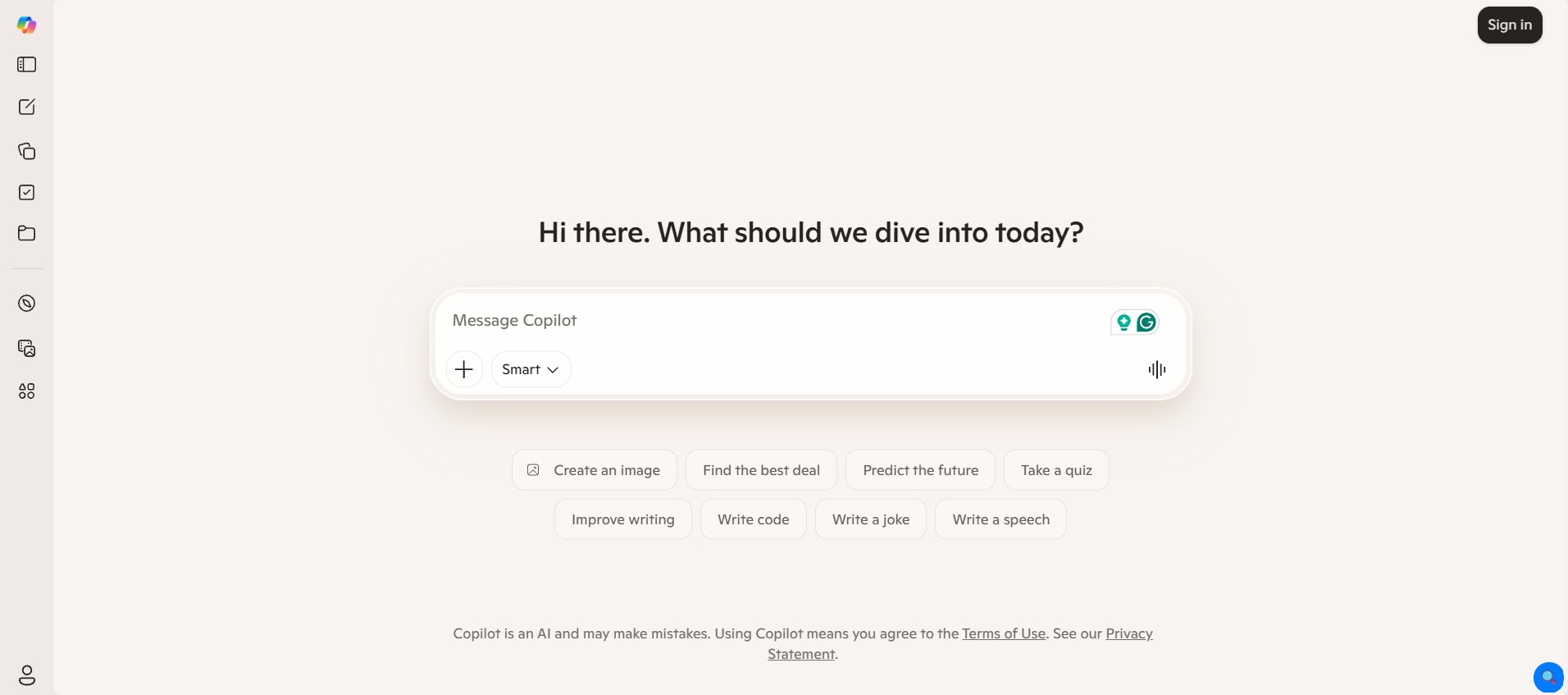
Microsoft Copilot makes sense for those businesses that use Microsoft products. 

It has many useful features, but what makes me think it is the best option is not the AI itself but the integration of the product with Word, Excel, Outlook, and Teams. 

One does not need to switch from one application to another.

It assists in document writing, spreadsheet analysis, meeting summaries, and increasing productivity. 

Copilot seems to be a more relevant option for companies operating on Microsoft 365 than employing an external AI assistant.

Strengths

  • Microsoft 365 integration
  • Excel and Word assistance
  • Meeting summaries
  • Business productivity features
  • Enterprise security

Limitations

  • Most valuable for Microsoft users
  • Advanced features require paid plans

Best For

Businesses, office teams, and Microsoft 365 users.

Pricing

  • Free Plan: $0
  • Copilot Pro: $20/month
  • Microsoft 365 Copilot: $30/user/month

4. Perplexity – Best for Research

perplexity ai

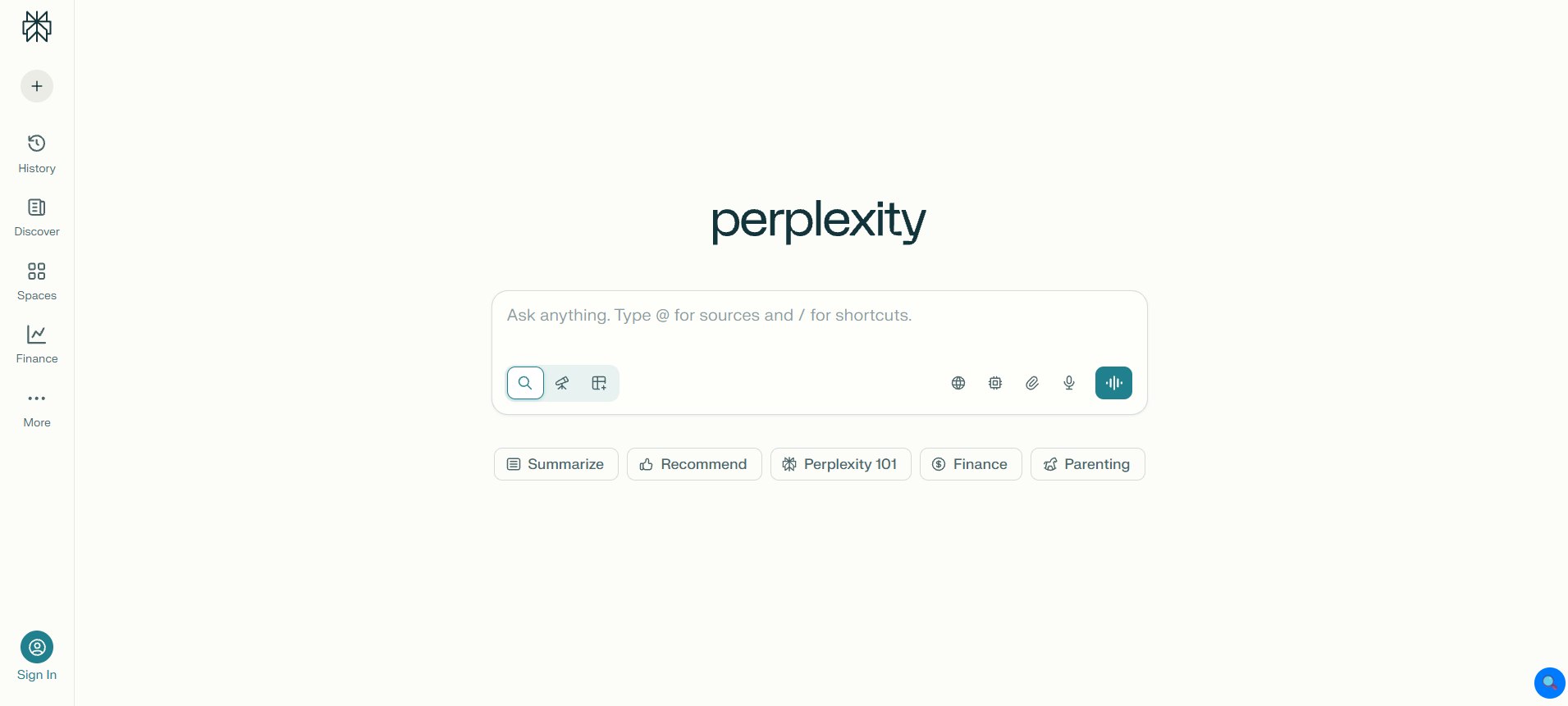
While trying out Perplexity, the main thing that stood out about it is the focus on research.

Unlike other AI writing assistants, which are all about giving you an answer, this one gives you sources as well, making it easier to verify information. 

The tool proved to be really helpful in market research, planning content and academic research.

For those who value the accuracy of information over the creativity of conversation, Perplexity is one of the top choices.

Strengths

  • Source-backed answers
  • Research-focused responses
  • Real-time web access
  • Clean interface
  • Fast information discovery

Limitations

  • Less creative than some competitors
  • Advanced research requires paid plans

Best For

Researchers, marketers, journalists, and students.

Pricing

  • Free Plan: $0
  • Perplexity Pro: $20/month
  • Perplexity max: $200/user/month

5. DeepSeek – Best Free Reasoning Alternative

deepseek

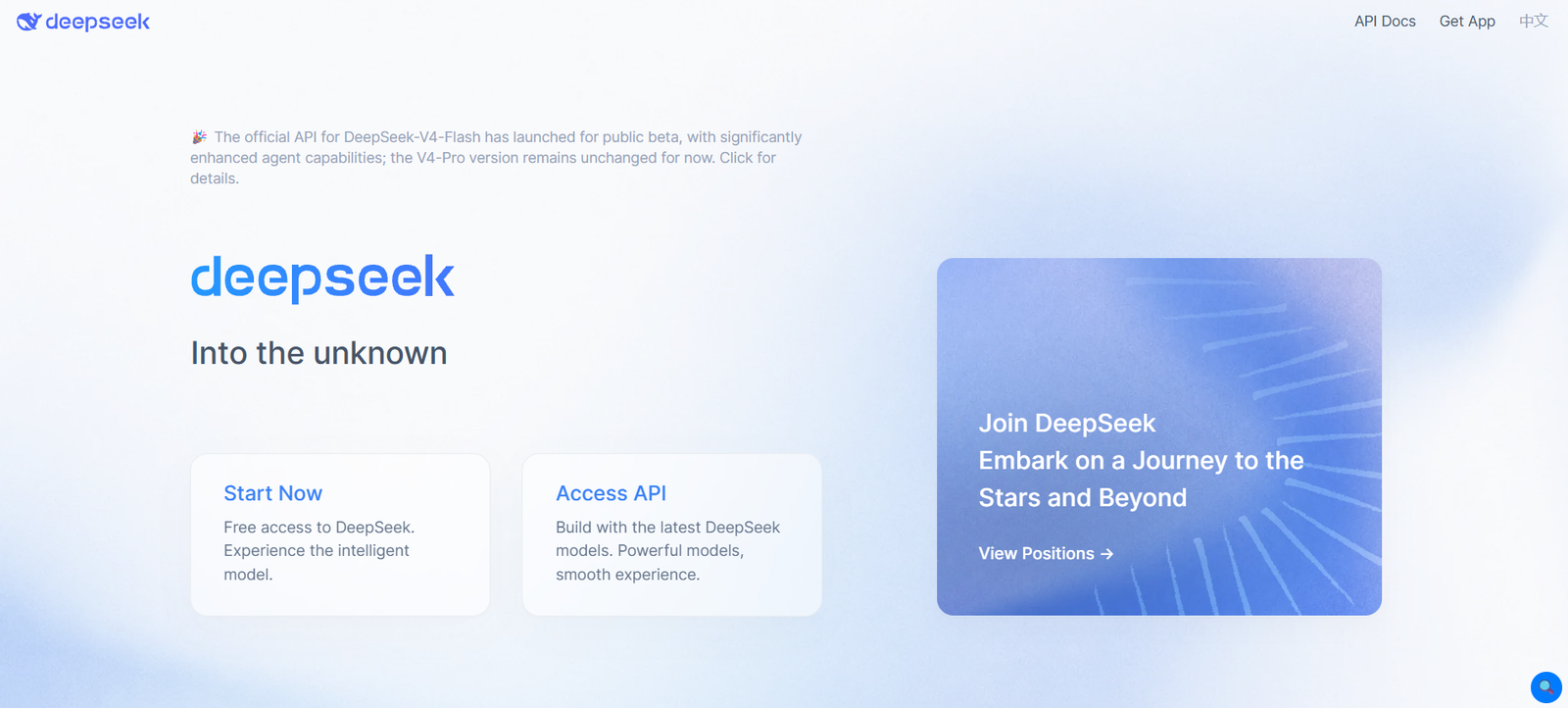
DeepSeek caught my attention due to its powerful reasoning skills combined with accessibility to free users. 

During my experiment with DeepSeek, I discovered that it is especially fascinating for technical queries and logical problem-solving.

Although it doesn’t have the ecosystem of ChatGPT, its capabilities are enough to make it a suitable choice for individuals.

It is beneficial for those who want to use an AI assistant that performs efficiently without the need to purchase premium access.

Strengths

  • Strong reasoning performance
  • Coding support
  • Free access
  • Good technical responses

Limitations

  • Smaller ecosystem
  • Limited productivity integrations

Best For

Developers, students, and users looking for free AI assistance.

Pricing

  • Free access available
  • API pricing varies

6. Grok – Best for Real-Time Information

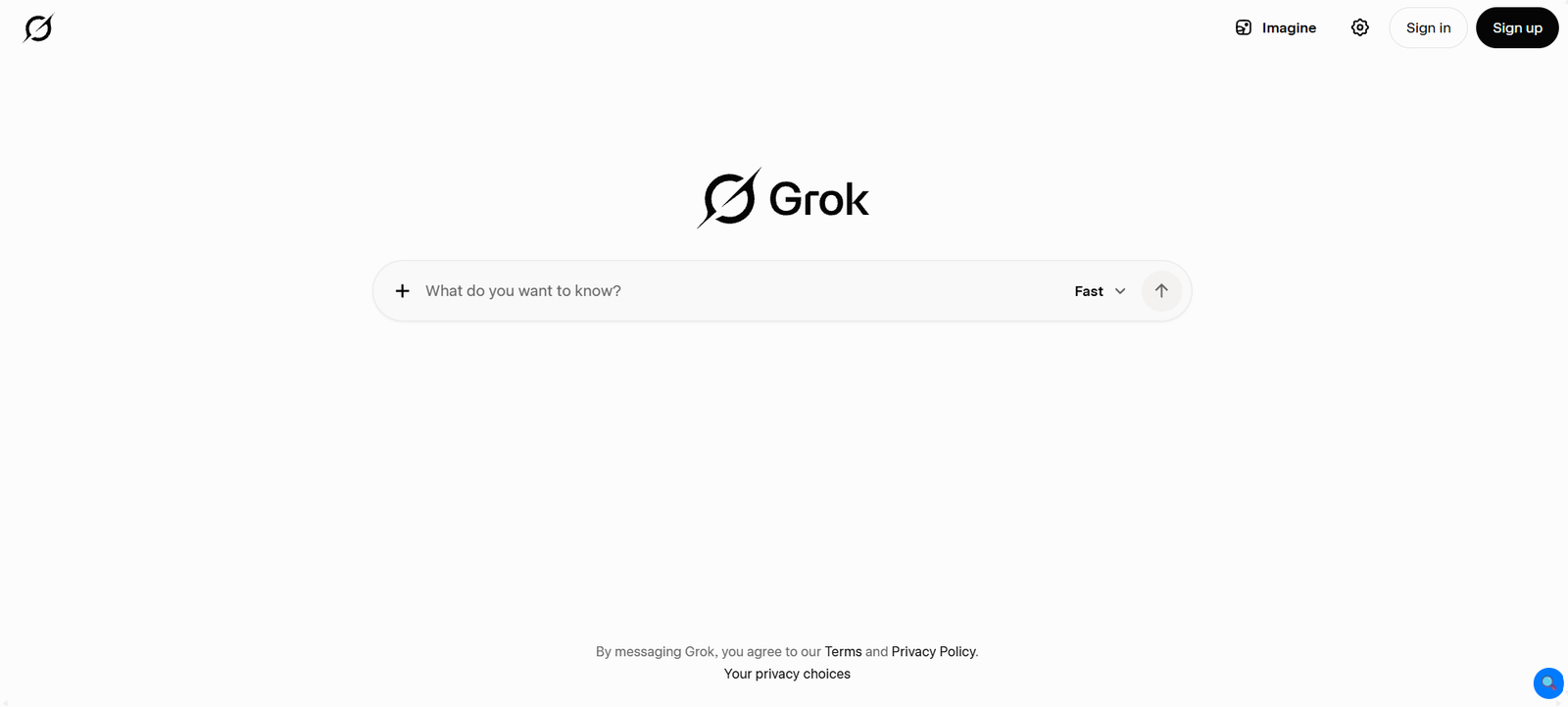
grok

The application Grok has unique features due to its relation with X (previously known as Twitter). For all those individuals who want to stay informed about current discussions and trends, this is important.

Though not necessarily the one you would go for when it comes to writing business papers or conducting research, it definitely offers a different experience from other AI assistants.

Strengths

  • Real-time information
  • Trend analysis
  • Conversational style
  • X platform integration

Limitations

  • Requires X subscription for full access
  • Not focused on enterprise workflows

Best For

Social media users, researchers, and trend analysts.

Pricing

  • Available through X Premium plans
  • Starts around $30/month

7. Mistral Le Chat – Best Lightweight Alternative

Mistral Le Chat

Mistral Le Chat is an ideal choice for users who require an efficient and easy-to-use AI tool. I liked that the software offered quick answers without becoming too complex. 

The software helps in writing, programming, and answering general queries while still being efficient. Although Mistral Le Chat may not have all the capabilities of ChatGPT, it serves its purpose perfectly.

Strengths

  • Fast responses
  • Simple interface
  • Good multilingual support
  • Free access

Limitations

  • Fewer integrations
  • Smaller feature ecosystem

Best For

Everyday users and developers.

Pricing

  • Free Plan available
  • Pro – $14.99/month
  • Team – $24.99/user/month
  • Custom Business Plans

Wrapping It Up

After assessing these platforms, I believe that no platform can be considered the best ChatGPT alternative to all people. 

Claude is great for writing, Gemini is suitable for usage within the Google environment, Copilot for Microsoft, and Perplexity for research purposes.

The decision depends on what you need more of. Rather than finding a total replacement, many people will gain by using multiple AI helpers in multiple situations.

By Alex Peter

Alex Peter is an AI specialist at Innovexa AI with more than 5 years of practical experience in artificial intelligence. He focuses on AI agents, AI workflows, cutting-edge AI tools, and the latest advancements shaping the industry. Passionate about simplifying complex concepts, Alex writes insightful content that helps readers stay informed and ahead in the fast-changing world of AI.

Best AI Agents for Business: 8 Platforms Worth Considering

Running a business in 2026 means dealing with many discussions, more data, and more repetitive tasks. 

Small groups spend hours every week dealing with customer inquiries, keeping data update, and transferring information. It is not a question of lack of technology but a question of time and manpower.

We have spent time exploring various best AI agents for businesses such as Innovexa AI, UiPath, Zapier AI and n8n to know which platforms really help businesses automate their work rather than providing an additional tool. 

Some of the platforms were impressive when it comes to workflow automation, while some impressed me with customer support, sales, or internal processes.

According to Salesforce, 83% of organizations claim that they are working on improving customer experiences, which shows that businesses are investing more in intelligent automation.

Quick Comparison

Platform

Best For

Free Plan

Starting Price

Innovexa AI

Custom business automation Demo Custom

Microsoft Copilot Studio

Microsoft businesses Trial

From $200/month

Salesforce Agentforce

CRM automation Trial From $2/conversation
UiPath Enterprise workflow automation Trial

Custom

Zapier AI

Business workflow automation Yes From $29.99/month
HubSpot Breeze Sales & marketing teams Limited

Included with HubSpot

n8n

Custom workflow automation Yes Free
Lindy Small business assistants Yes

From $49.99/month

1. Innovexa AI – Best for Custom Business Automation

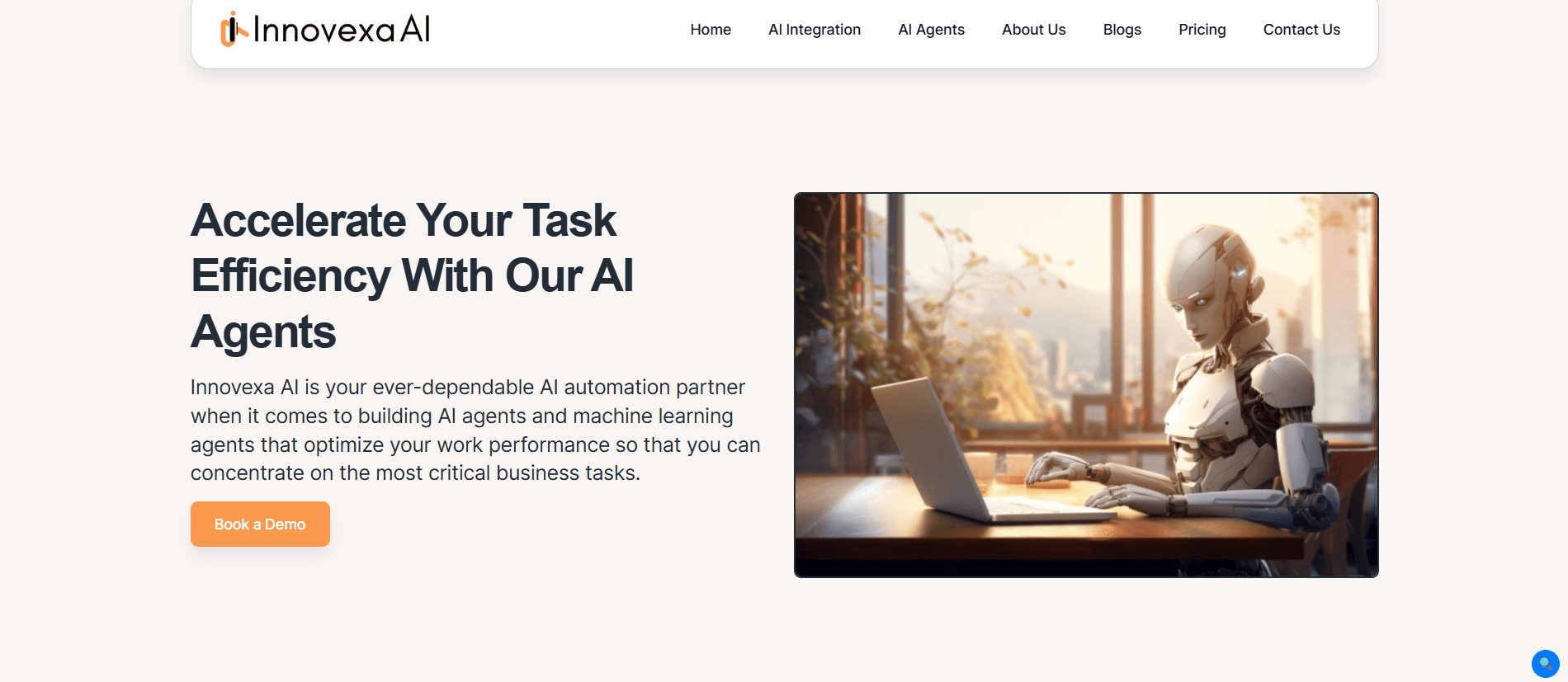
innovexa ai

I explored Innovexa AI while reviewing some business automation platforms, and one feature I particularly liked was its focus on developing custom AI agents instead of predefined workflows. 

The platform is intended for businesses interested in automating their particular processes, such as customer support, lead management, document processing, internal approvals, and repetitive business tasks. For service-based businesses, automation can also extend to the systems used to manage day-to-day operations, including customer records, appointments, payments, and other administrative workflows. Businesses such as salons may benefit from using POS software for salons alongside their broader automation tools to keep operational tasks more organized.

What sets it apart is that the approach involves working on solutions within the context of existing processes instead of making the business alter its process flow entirely. For those who want a customized solution, Innovexa AI could be a good choice.

Strengths

  • Custom AI agents for business operations
  • Customer support automation
  • Lead management automation
  • Document processing
  • Workflow automation
  • Business system integrations
  • Enterprise deployment support
  • Industry-specific solutions

Limitations

  • No public self-service platform
  • Pricing requires contacting the sales team

Best For

Growing businesses, enterprises, healthcare, finance, ecommerce, and companies looking for custom automation.

Pricing

  • Starter- $29/month
  • Pro – $49/month
  • Business – $99/month
  • Custom pricing (Contact Sales)

2. Microsoft Copilot Studio – Best for Microsoft 365 Businesses

microsoft copilot

One of the tools I tested while researching business automation platforms is Microsoft Copilot Studio. Its major advantage is that it easily integrates within the Microsoft platform. 

Organizations that use Teams, Outlook, SharePoint, and Dynamics 365 can build their AI agents without changing environments entirely.

Strengths

  • No-code AI agent builder
  • Microsoft 365 integration
  • Power Platform connectors
  • Enterprise security
  • Internal knowledge assistants
  • Business workflow automation
  • Hundreds of integrations

Limitations

  • Works best inside Microsoft’s ecosystem
  • Premium licensing can become expensive

Best For

Enterprises and Microsoft 365 customers.

Pricing

  • From $200/month (25,000 messages included)

3. Salesforce Agentforce – Best for Customer-Facing Business Automation

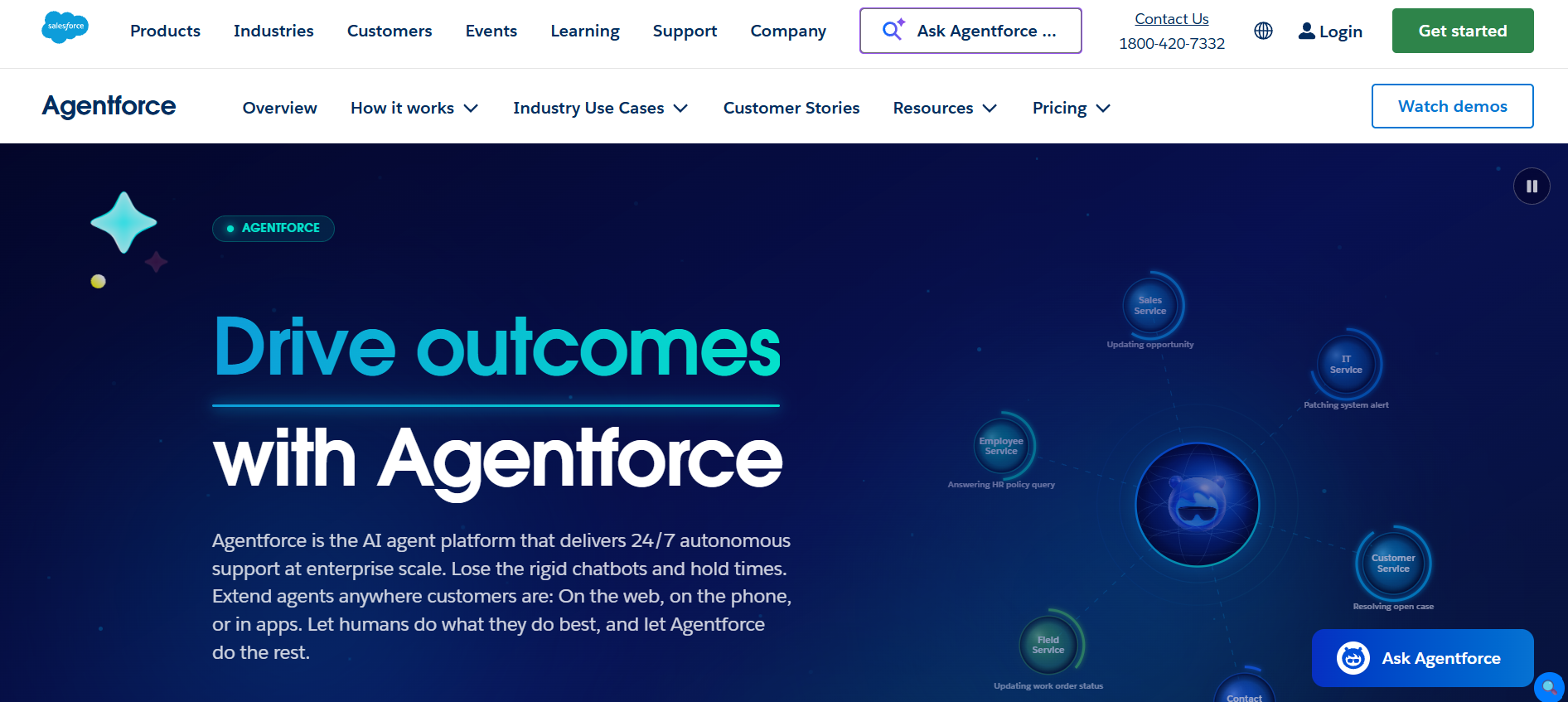
salesforce agentforce

While exploring Salesforce Agentforce, I found that it is mainly built for companies where customer relationships and sales operations are at the center of the business.

Instead of acting as a separate assistant, it works directly with Salesforce data to help automate customer conversations, lead qualification, support requests, and CRM updates. 

Strengths

  • CRM automation
  • Lead qualification
  • Customer service automation
  • Workflow automation
  • Salesforce integration
  • Enterprise security
  • Omnichannel support

Limitations

  • Best suited for Salesforce customers
  • CRM licensing may be required

Best For

Sales, customer support, and enterprise businesses.

Pricing

  • Starts at $2 per conversation

4. UiPath – Best for Enterprise Process Automation

uipath

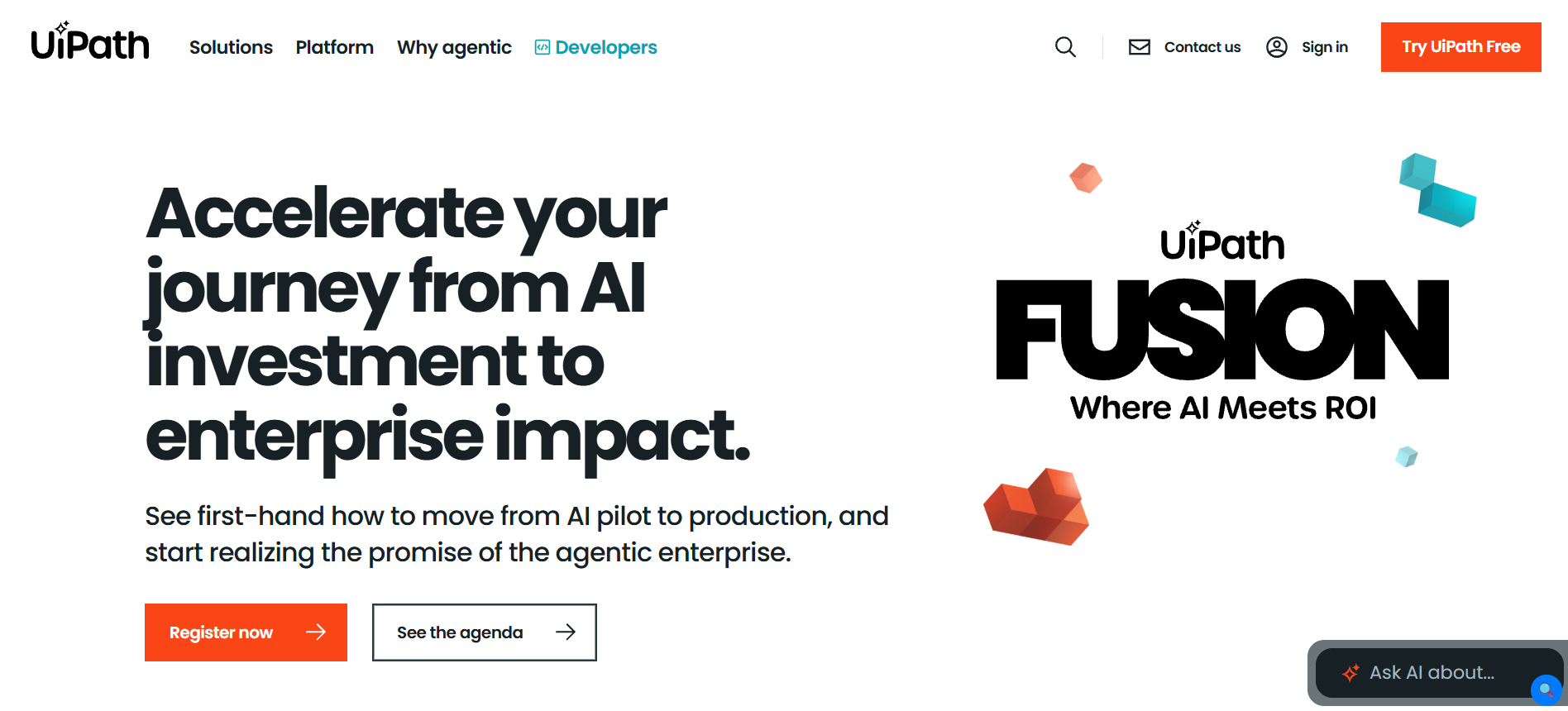
I chose to investigate UiPath since it has been known to be among the key players in business automation for several years now. 

It can be used in such areas as invoice processing, onboarding of employees, document management, report generation, among others.

I felt that UiPath would be more appropriate for larger companies since creating complex automations generally requires technical knowledge. 

For enterprises dealing with high-volume processes, it remains one of the strongest automation platforms available.

Strengths

  • Process automation
  • Document understanding
  • Workflow automation
  • ERP integrations
  • Compliance automation
  • Business analytics
  • Enterprise scalability

Limitations

  • Steeper learning curve
  • Custom pricing

Best For

Large enterprises, finance teams, operations, and shared service centers.

Pricing

  • Free Trial
  • Enterprise pricing available on request

5. Zapier AI – Best for Connecting Business Apps

zapier ai

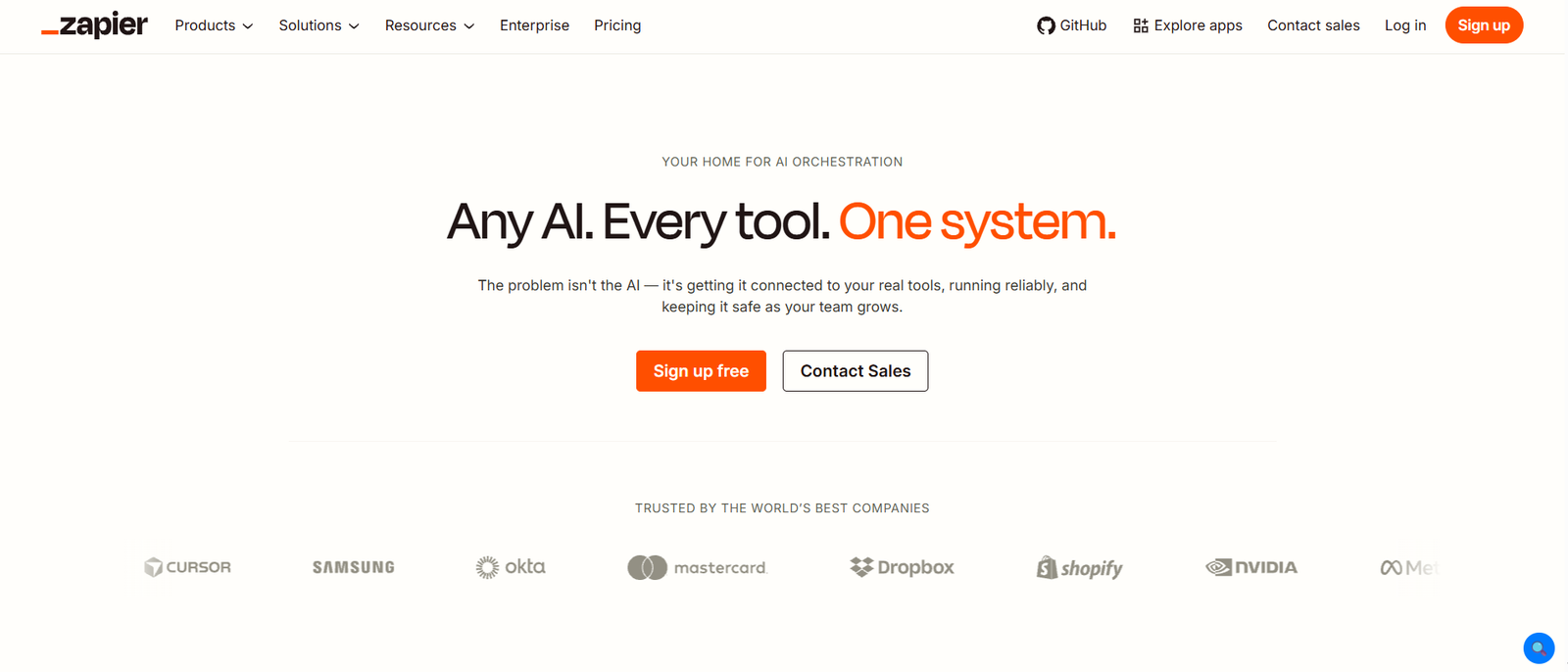
During my search for applications that allow companies to automate routine actions without any knowledge in programming, I decided to try Zapier AI.

Whether you need to update your CRM database, send follow-up emails, or collect information about customers, with Zapier AI you can save time on routine activities. 

This application proved to be especially helpful for small companies that already have a few applications but don’t want to implement anything complicated.

Strengths

  • Connects with 7,000+ apps
  • No-code workflow builder
  • AI-powered automation
  • CRM and email integrations
  • Multi-step workflows
  • Large template library
  • Easy setup

Limitations

  • Advanced workflows may require premium plans
  • Complex automations can take time to configure

Best For

Small businesses, startups, agencies, and teams managing multiple business apps.

Pricing

  • Free Plan
  • Professional – From $19.99/month
  • Team – From $69/month
  • Enterprise – Custom pricing

6. HubSpot Breeze – Best for Sales and Marketing Teams

hubspot brezze

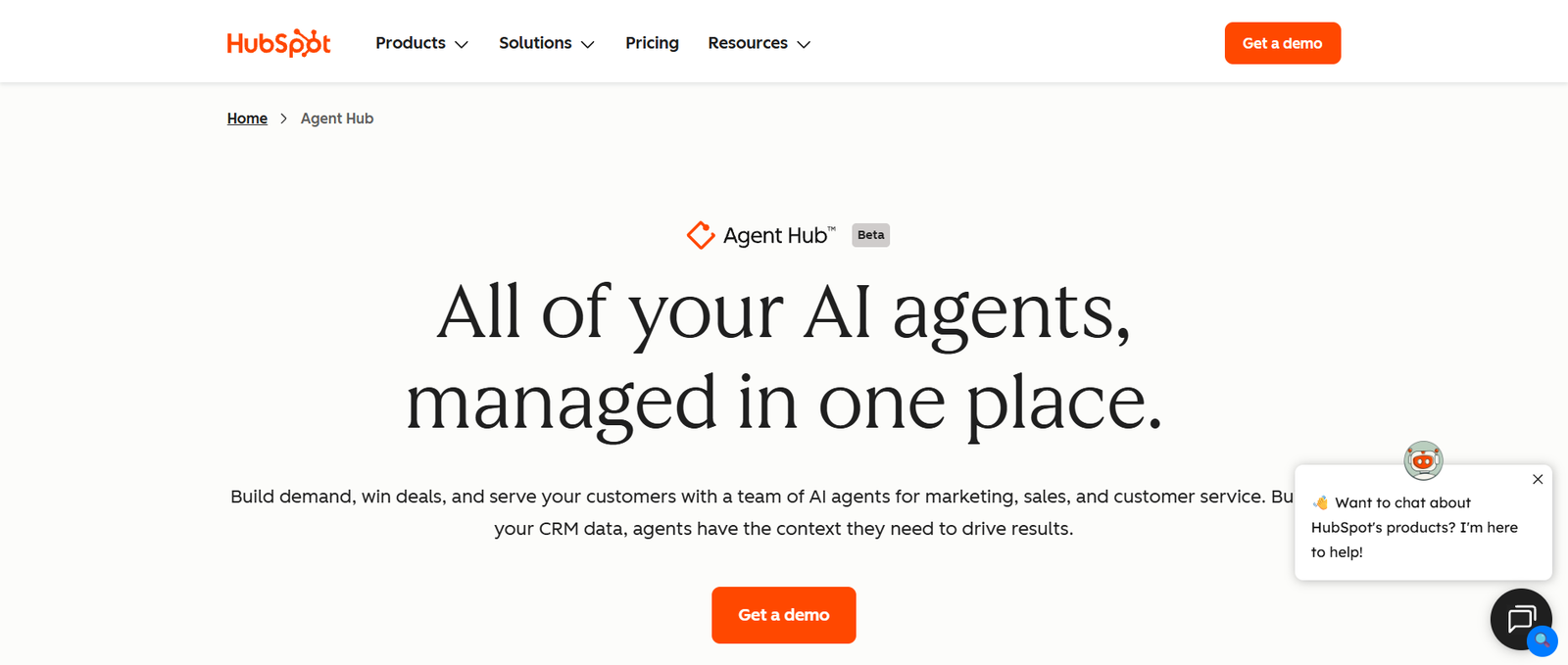
I reviewed HubSpot Breeze when I was comparing artificial intelligence tools for companies focusing on customers, and the biggest strength of Breeze is its direct operation within the HubSpot CRM environment. 

There is no need to transfer any data from one platform to another, and you can use Breeze to manage sales, generate content, and summarize customer communication.

Strengths

  • Built into HubSpot CRM
  • Lead qualification
  • Email assistance
  • Content generation
  • Customer insights
  • Marketing automation
  • Sales support

Limitations

  • The best experience requires HubSpot
  • Some features depend on your subscription plan

Best For

Sales teams, marketing departments, and HubSpot users.

Pricing

  • Included with eligible HubSpot plans
  • Premium HubSpot subscriptions unlock additional features

7. n8n – Best Open-Source Business Automation Platform

n8n

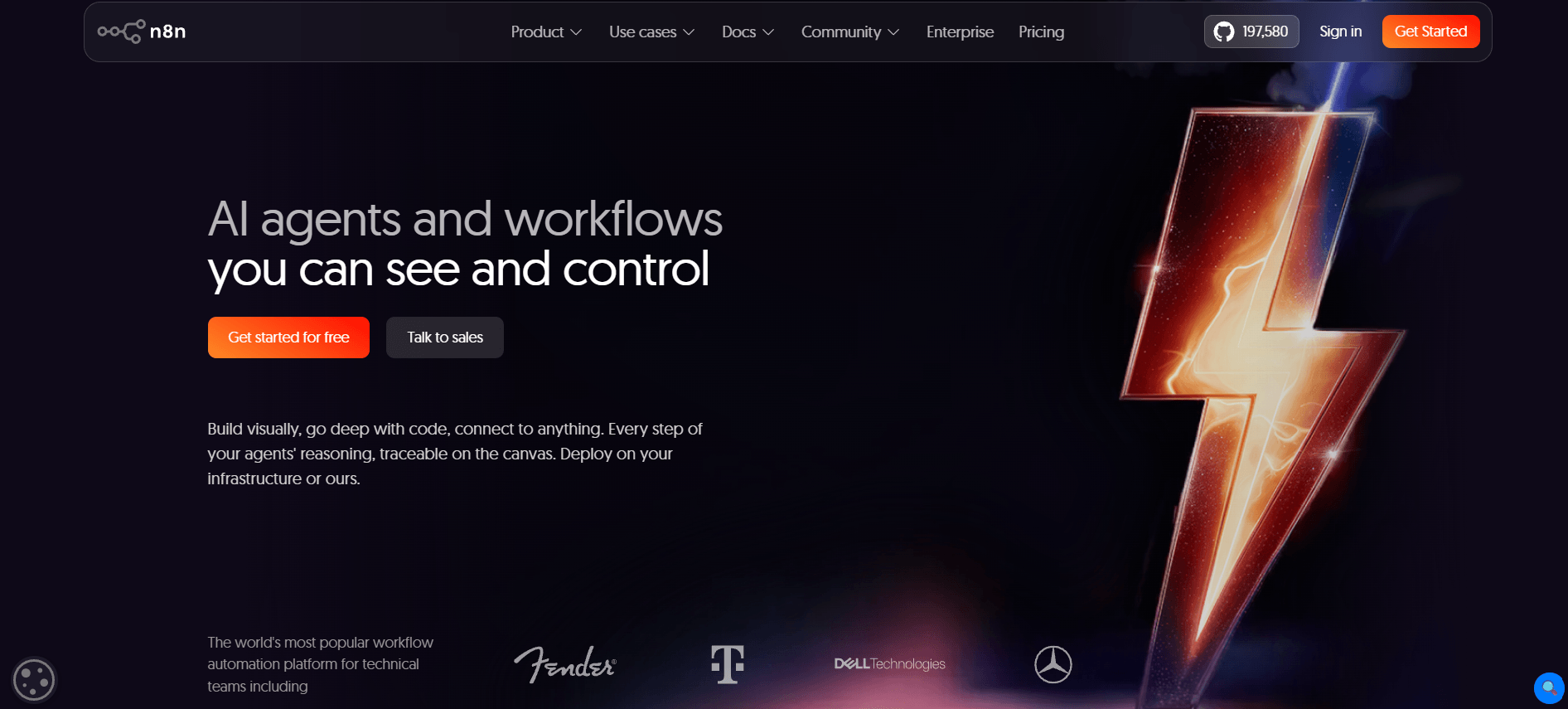
One of the tools that I tried is n8n, since many companies have needs for automated work without being tied to just one tool. 

What I found to be best about n8n is the combination of the visual workflow designer and open-source software. Companies can integrate their CRM, databases, communication tools, and AI models.

Strengths

  • Open-source platform
  • Visual workflow builder
  • 500+ integrations
  • Self-hosting available
  • AI model integrations
  • Large template library
  • Developer-friendly

Limitations

  • Advanced workflows require some technical knowledge
  • Self-hosting needs ongoing maintenance

Best For

Developers, operations teams, startups, and growing businesses.

Pricing

  • Starter – From €20/month
  • Pro – From €50/month
  • Business – From €667/month 
  • Enterprise – Custom pricing

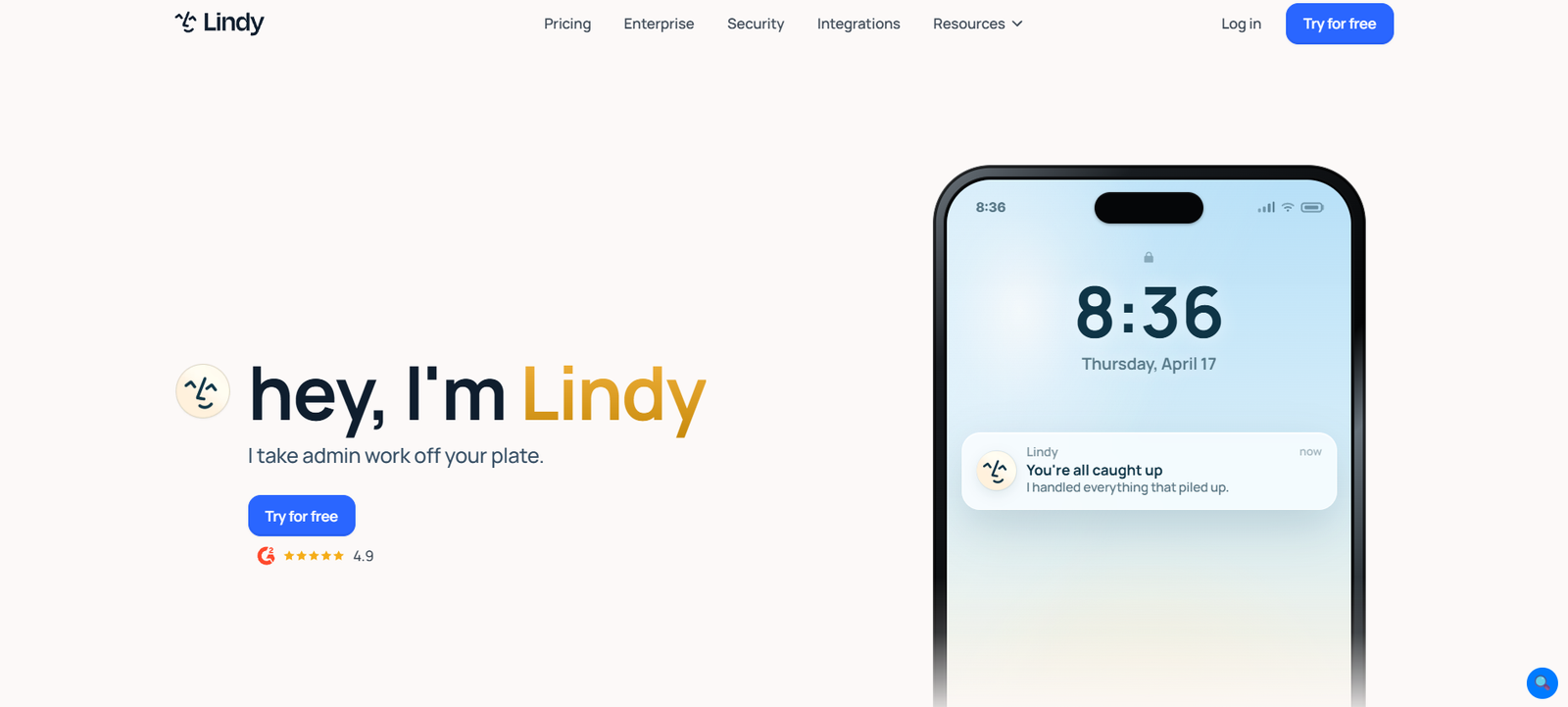
8. Lindy – Best AI Executive Assistant for Small Businesses

lindy ai

I found it useful for founders and small teams that spend a lot of time on administrative tasks but do not have dedicated automation specialists. 

While it may not replace large enterprise platforms, Lindy offers a practical way for small businesses to start using AI agents.

Strengths

  • Email automation
  • Meeting scheduling
  • CRM updates
  • Customer support
  • Lead qualification
  • No-code workflows
  • Business app integrations

Limitations

  • Advanced usage can become expensive
  • Enterprise capabilities are still expanding

Best For

Small businesses, founders, consultants, and service-based companies.

Pricing

  • Plus –  From $49.99/month
  • Pro – From $99.99/month
  • Max –  From $199.99/month
  • Business – Custom pricing

Wrapping It Up

The best AI agents for small businesses to help your company may not be those with extensive features but instead those that provide solutions to your most serious problems. 

If you need a custom solution, Innovexa AI is a strong choice. For companies using Microsoft and Salesforce already, it is best to use their native tools. 

On the other hand, Zapier AI, n8n, and Lindy are good options for businesses looking to automate processes without much effort.

By Alex Peter

Alex Peter is an AI specialist at Innovexa AI with more than 5 years of practical experience in artificial intelligence. He focuses on AI agents, AI workflows, cutting-edge AI tools, and the latest advancements shaping the industry. Passionate about simplifying complex concepts, Alex writes insightful content that helps readers stay informed and ahead in the fast-changing world of AI.

AI Agents for Finance: 7 Tools That Can Save Hours Every Week

Finance departments are asked to achieve more with the same resources. Every month is filled with new invoices, transactions, regulations, and financial reports, but hiring larger teams isn’t always an option.

That is the reason why some companies start using AI agents for finances that can take care of routine activities such as invoice processing, account reconciliations, document management, customer services, and financial reporting.

KPMG’s Global AI in Finance Report, 71% of companies are already using AI in their finance function. In this guide, I’ll compare the best AI agents for finance, their strengths, pricing, and who they’re best suited for.

Quick Comparison

Platform

Best For

Free Plan

Starting Price

Microsoft Copilot

Microsoft 365 finance teams

Trial From $30/user/month

IBM watsonx Assistant

Financial customer support Lite Plan

Custom

UiPath

Finance workflow automation Free Trial Custom

Salesforce Agentforce

Financial services CRM Trial

Custom

Kore.ai

Banking virtual assistants Demo Custom

Amelia

Enterprise financial support Demo

Custom

Yellow.ai

Omnichannel financial services Trial

Custom

1. Microsoft Copilot

microsoft copilot

I found Microsoft Copilot helpful for preparing financial statements, writing emails, analyzing spreadsheets, and creating presentations without leaving Microsoft 365. It will not substitute for financial expertise, but it definitely eliminates the repetition in tasks that take most of the working day. For companies already using Microsoft’s ecosystem, it’s one of the most practical AI agents for finance available today.

Strengths

  • Deep Microsoft 365 integration
  • Excel analysis and formula assistance
  • Outlook email drafting
  • Word document creation
  • Teams meeting summaries
  • Enterprise-grade security

Limitations

  • Best experience requires Microsoft 365
  • Premium features require paid licensing

Best For

Finance professionals, accountants, analysts, and enterprise teams.

Pricing

Microsoft 365 Copilot – From $30/user/month

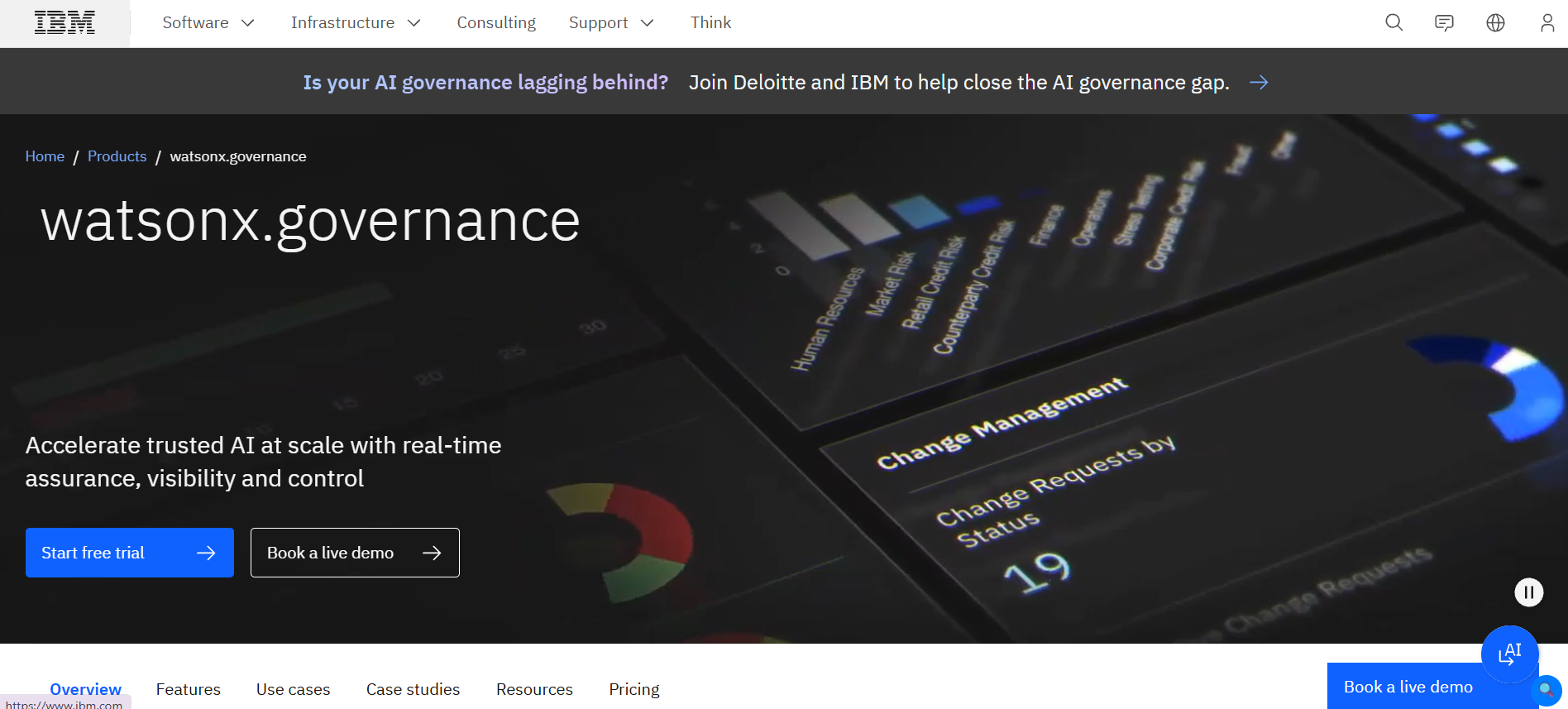
2. IBM watsonx Assistant

ibm watsonx assistant

What I like about IBM watsonx Assistant is its focus on providing secure and enterprise-level customer interactions, rather than being an all-purpose personal assistant. Customers looking for information about loans, banking solutions, or 24/7 support can benefit from automated interactions in the financial sector.

Strengths

  • Enterprise-grade conversational AI
  • Banking and financial services support
  • Omnichannel deployment
  • Natural language understanding
  • Secure integrations
  • Human agent handoff

Limitations

  • Enterprise setup can take time
  • Pricing isn’t publicly available

Best For

Banks, insurance companies, credit unions, and financial institutions.

Pricing

  • Lite Plan – Free
  • Enterprise – Custom pricing

3. UiPath

uipath

UiPath is one of those platforms that left me wondering, “Why are people doing this manually?” UiPath utilizes robotic process automation along with artificial intelligence to automate repetitive financial processes that would take your employees countless hours each week to complete. 

If you have no intentions of creating a customer-oriented chatbot, but need to improve the efficiency of your team, then UiPath is one of the best AI agents for financial services.

Strengths

  • Robotic process automation (RPA)
  • Invoice processing
  • Financial reconciliation
  • Document understanding
  • Workflow automation
  • ERP integrations

Limitations

  • Requires workflow planning
  • Enterprise pricing

Best For

Accounting teams, finance operations, and enterprise automation.

Pricing

  • Free Trial
  • Enterprise – Custom pricing

4. Salesforce Agentforce

salesforce agentforce

The Salesforce Agentforce helps through its provision of AI within the CRM itself, enabling the team to make quick responses, access customer data, and even automate some processes. The part I like about it is that it runs on Salesforce, meaning that employees won’t have to move around different platforms.

For businesses using Salesforce Financial Services Cloud, it’s just like an addition to what they have.

Strengths

  • Salesforce CRM integration
  • Customer service automation
  • Workflow automation
  • Case management
  • Financial customer engagement
  • Enterprise security

Limitations

  • Best suited for Salesforce users
  • Requires Salesforce ecosystem

Best For

Financial advisors, wealth management firms, and customer support teams.

Pricing

  • Free Version
  • Starts at $2 per conversation.
  • $500 USD/ Per 100K Credits.

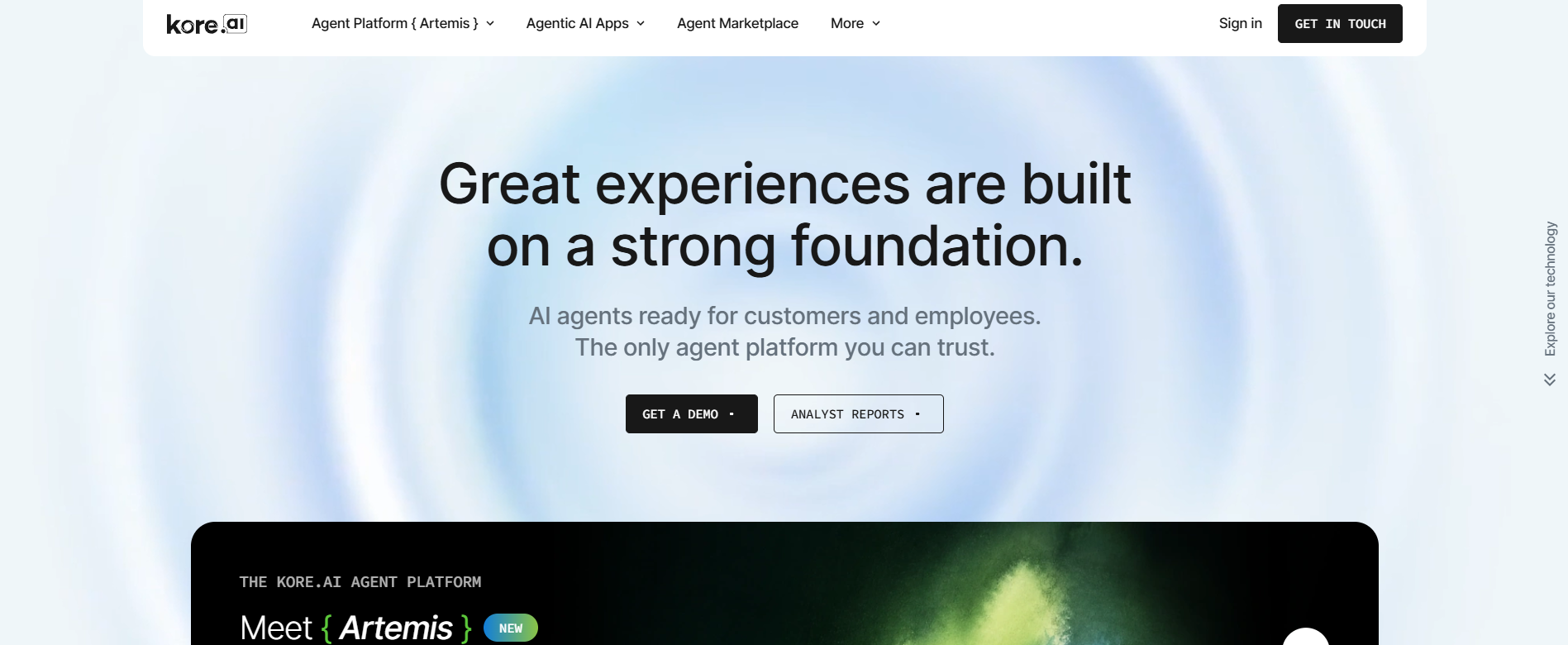
5. Kore.ai

kore ai

Kore.ai is particularly helpful for banks and financial firms where there is a large number of customer requests daily. You can create a single virtual agent for all channels rather than creating separate bots for each channel. This solution also includes built-in use cases for banking, which would save time on developing these use cases if started from scratch.

Strengths

  • Built for enterprise virtual assistants
  • Omnichannel support (web, mobile, voice, messaging)
  • Banking and financial service templates
  • Natural language understanding
  • CRM and core banking integrations
  • Analytics and reporting dashboard

Limitations

  • Better suited for medium and large organizations
  • Custom pricing can be expensive for smaller businesses

Best For

Banks, insurance providers, fintech companies, and enterprise customer support teams.

Pricing

  • Custom pricing (Contact Sales)

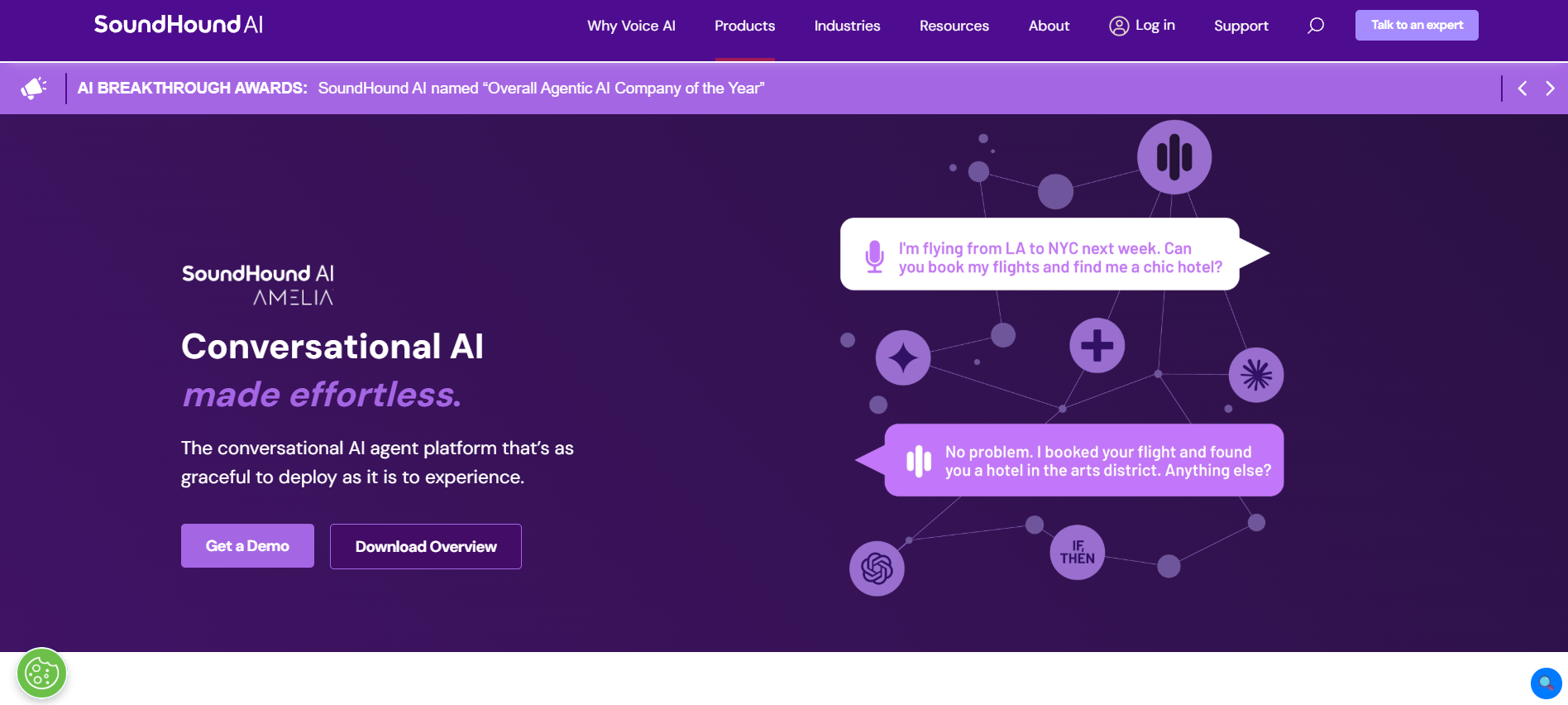
6. Amelia (by SoundHound AI)soundhound ai

Amelia focuses on handling more complex conversations while integrating with business systems behind the scenes. I was impressed by how well it manages multi-step requests, such as helping customers check account information or guiding them through loan and insurance processes. For financial organizations looking to improve customer experience without increasing support staff, Amelia is a strong enterprise option.

Strengths

  • Human-like conversations
  • Multi-step workflow automation
  • Financial services automation
  • CRM and ERP integrations
  • Multilingual support
  • Enterprise security and compliance

Limitations

  • Enterprise-focused pricing
  • Implementation may require technical support

Best For

Large financial institutions, insurance companies, and enterprises handling complex customer interactions.

Pricing

  • Custom pricing (Contact Sales)

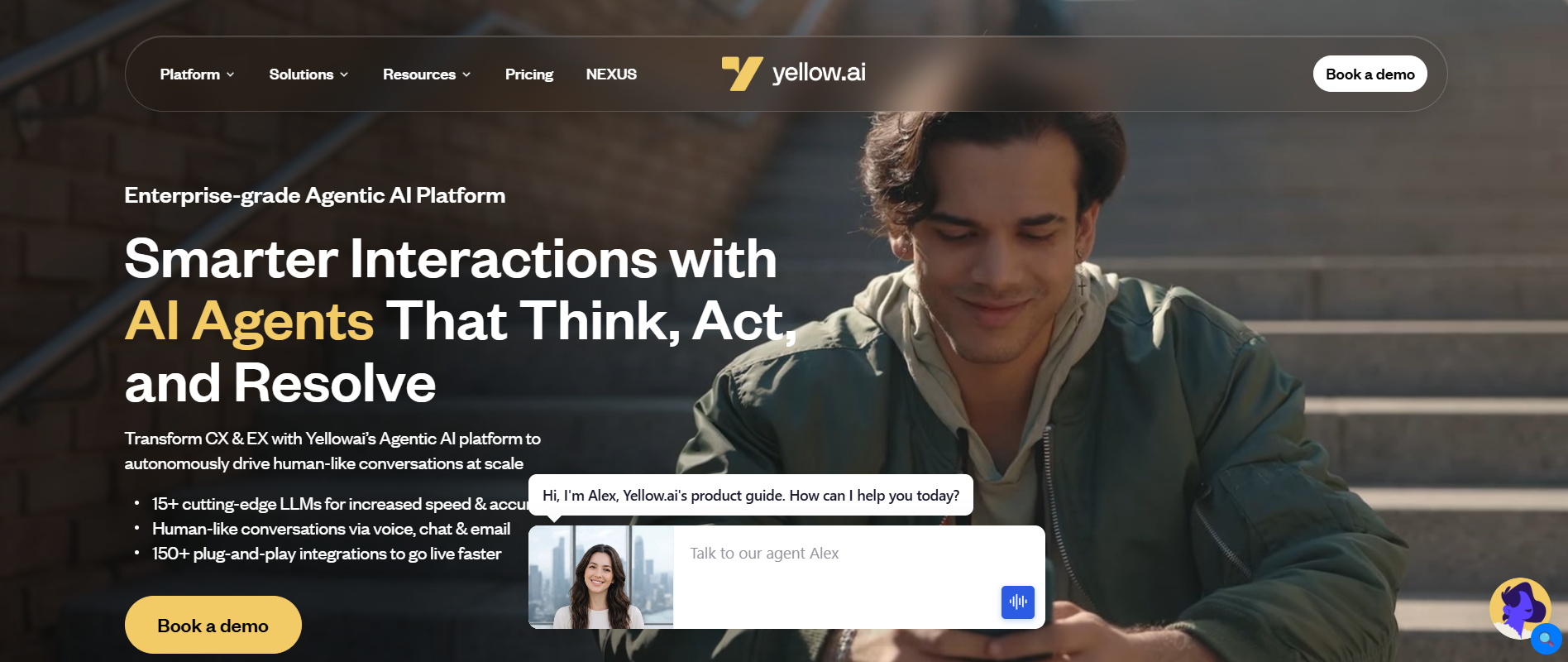
7. Yellow.ai

yellow ai

When your customers get in touch with you using WhatsApp, live chat, email, and voice, managing all these conversations manually is tough. This is where Yellow.ai comes into the picture. It impresses me by providing an opportunity to companies to create a single assistant that can be used on different channels without compromising on customer experience. It is particularly helpful for financial services providers who wish to automate certain tasks without compromising on customer service.

Strengths

  • Omnichannel customer support
  • Voice and chat automation
  • Multilingual conversations
  • CRM integrations
  • Workflow automation
  • Analytics and reporting

Limitations

  • Advanced capabilities require enterprise plans
  • Smaller businesses may not need all available features

Best For

  • Banks, fintech startups, insurance providers, and customer service teams.

Pricing

  • Free Trial Available
  • Enterprise pricing on request

Wrapping It Up

After comparing these platforms, I don’t think there’s one winner for every finance team. The best choice depends on what you’re trying to improve.

Since you work with Microsoft 365, Microsoft Copilot is most likely the best starting point as it integrates seamlessly into your workflow. Should your use case be for customer support within banking and insurance firms, then IBM Watsonx Assistant and Kore.ai provide virtual assistants designed specifically for financial services companies. If what you are struggling with is back-office operations, I’d recommend looking at UiPath because workflow automation is where it is really good.

It is good that most of these tools have demo accounts or free trials available and allow users to find whether the tool will work for them or not.

By Alex Peter

Alex Peter is an AI specialist at Innovexa AI with more than 5 years of practical experience in artificial intelligence. He focuses on AI agents, AI workflows, cutting-edge AI tools, and the latest advancements shaping the industry. Passionate about simplifying complex concepts, Alex writes insightful content that helps readers stay informed and ahead in the fast-changing world of AI.

Top AI Agent Builders: 5 Platforms Worth Trying

Developing an AI agent is not only for developers. Over the last year, I’ve experimented with different AI agent builders that can simplify automation, the development of customer service agents, and even the creation of internal agents without spending weeks coding.

According to Microsoft’s 2024 Work Trend Index, 75% of knowledge workers already use AI at work, showing just how fast businesses are adopting smarter ways to automate everyday tasks.

Some tools are perfect for people who require full control, while other tools would be perfect if you are in search of an extra, no-code solution. For example, n8n was my favorite tool when it comes to workflow automation, Flowise surprised me by its visual interface for building LLM agents, and Dify amazed me with fast deployment of the chatbot. So, choosing the best AI Agent Builder is more about your workflow than the feature list on the pricing page.

To make your decision easier, I compared the most popular platforms based on ease of use, flexibility, pricing, and who they’re best suited for.

Quick Comparison

Platform

Best For

Free Plan

No-Code

Starting Price

Innovexa AI

Custom business AI agents

Demo $29/month

n8n

Workflow automation Free

Flowise

Visual LLM agents

Free

Dify

AI apps & chatbots

Free

Langflow

LangChain workflows

Free

1. Innovexa AI

innovexa ai

When I started comparing the AI agent builders, I wasn’t just looking for platforms that can tie API’s or automate workflows. I was looking for something that businesses could customize based on their own workflow and didn’t have to build from scratch. 

Innovexa AI helps companies create their own AI agents for customer service, operational efficiency, sales, marketing, research management, and workflow optimization. Innovexa AI is the right choice if your company needs a tailor-made AI agent rather than changing the process according to the software.

Strengths

  • No-code AI agent development
  • Custom AI agents built around business workflows
  • Customer support automation
  • Internal business process automation
  • Document and knowledge management capabilities
  • Enterprise-ready deployment
  • Dedicated implementation and consulting support
  • Scalable for growing businesses
  • Free demo available

Limitations

  • No public free plan

Best For

Businesses, enterprises, organizations, and teams looking for custom-built AI agents instead of pre-built templates.

Pricing

  • Custom pricing (Contact the Innovexa AI sales team for a tailored quote.)

2. n8n

n8n

If you have ever felt that it would be great if you can make your apps communicate with each other by writing just a few lines of code, then n8n is the first platform that comes to mind. One thing that appeals to me about it is how easy it is to integrate with commonly used platforms such as Slack, Gmail, Notion, Google Sheets, and many others. If you’re searching for an AI agent builder no-code solution, n8n is the best.

Strengths

  • Visual workflow builder
  • Connects with 500+ applications
  • Supports OpenAI, Anthropic, Google Gemini, and other LLMs
  • Self-hosted option available
  • Large automation template library
  • Active open-source community

Limitations

  • Advanced workflows have a learning curve
  • Some integrations require API knowledge

Best For

Businesses, operations teams, developers, and automation enthusiasts.

Pricing

  • Community Edition – Free
  • Starter – From $24/month
  • Pro – From $60/month
  • Enterprise – Custom pricing

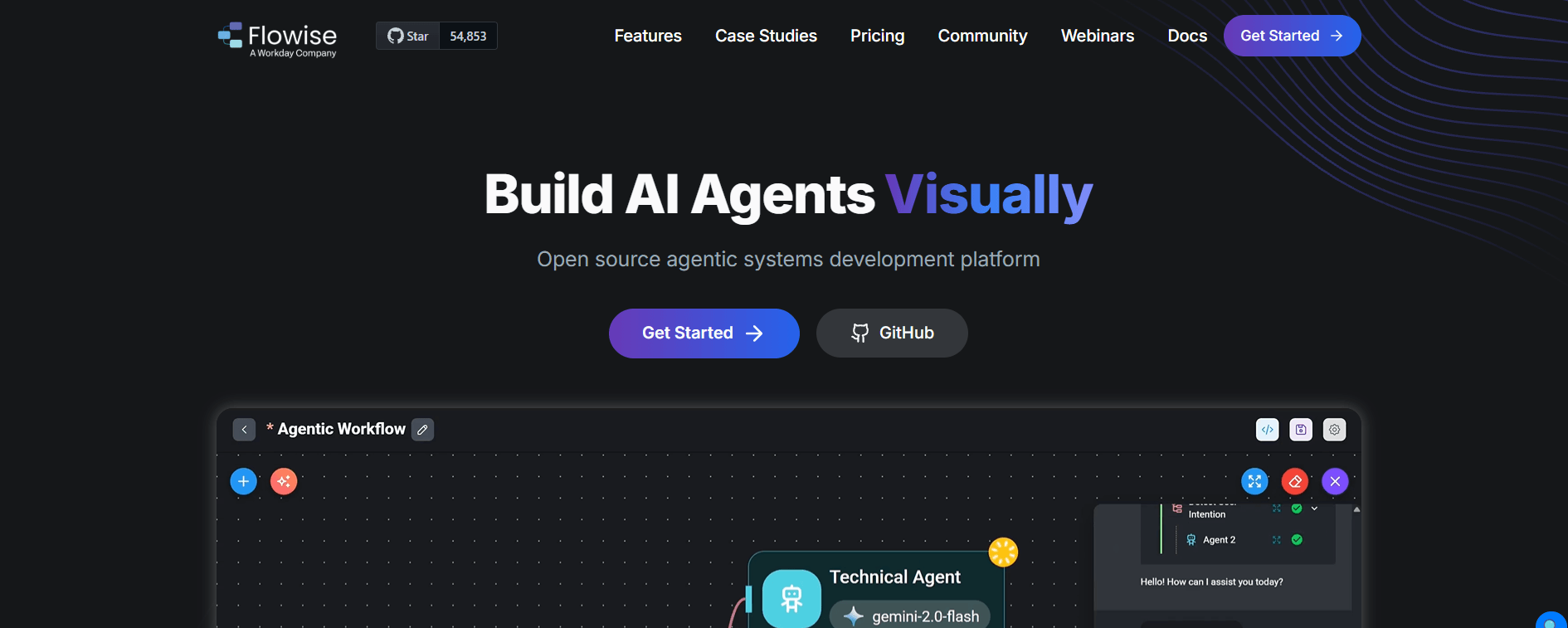
3. Flowise

flowise

While experimenting with Flowise, what impressed me the most was not the range of functions, but rather the speed of creating something functional. Everything is done via the visual drag and drop interface where you connect language models, databases, APIs, and memory without going from one documentation to another.

When you are looking to test the AI workflow or design your own assistants without having to become a LangChain expert, then Flowise is the perfect choice for you, and the best option available in the best AI agent builder free options because the open-source version includes everything needed to get started.

Strengths

  • No-code visual builder
  • Open-source platform
  • Supports multiple LLM providers
  • API and database integrations
  • Memory management
  • Self-hosting available

Limitations

  • Limited enterprise features compared to commercial platforms
  • Complex workflows may still require technical knowledge

Best For

Developers, startups, and teams building custom AI assistants.

Pricing

  • Open Source – Free
  • Cloud plans – Starting from approximately $35/month
  • Enterprise – Custom pricing

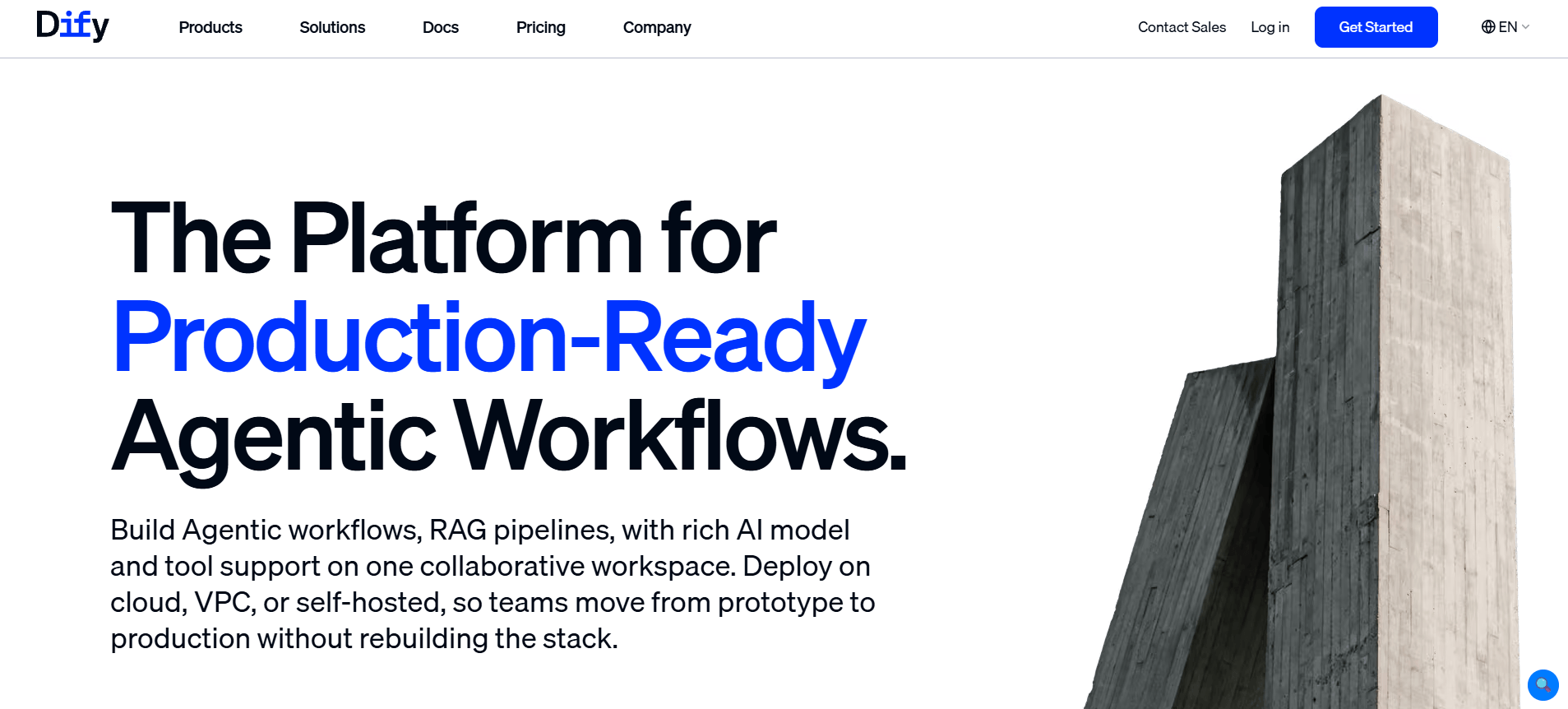
4. Dify

dify

Other AI tools require spending several hours adjusting parameters before you get something useful. However, this is not the case with Dify. I managed to build my chatbot rather quickly and the interface did not become complicated after including knowledge bases and workflow.

That is why I would suggest this to small businesses and startups who want to get an AI agent builder for free prior to spending on enterprise solutions. It provides you with all necessary flexibility to create valuable applications without complicating the whole process.

Strengths

  • Easy-to-use interface
  • Prompt management
  • Knowledge base support
  • Workflow builder
  • API deployment
  • Open-source edition
  • Multiple LLM integrations

Limitations

  • Some advanced collaboration features require paid plans
  • Smaller integration ecosystem than larger competitors

Best For

Startups, SaaS companies, and businesses building AI applications.

Pricing

  • Open Source – Free
  • Professional Cloud – Starting around $59/month
  • Team & Enterprise – Custom pricing

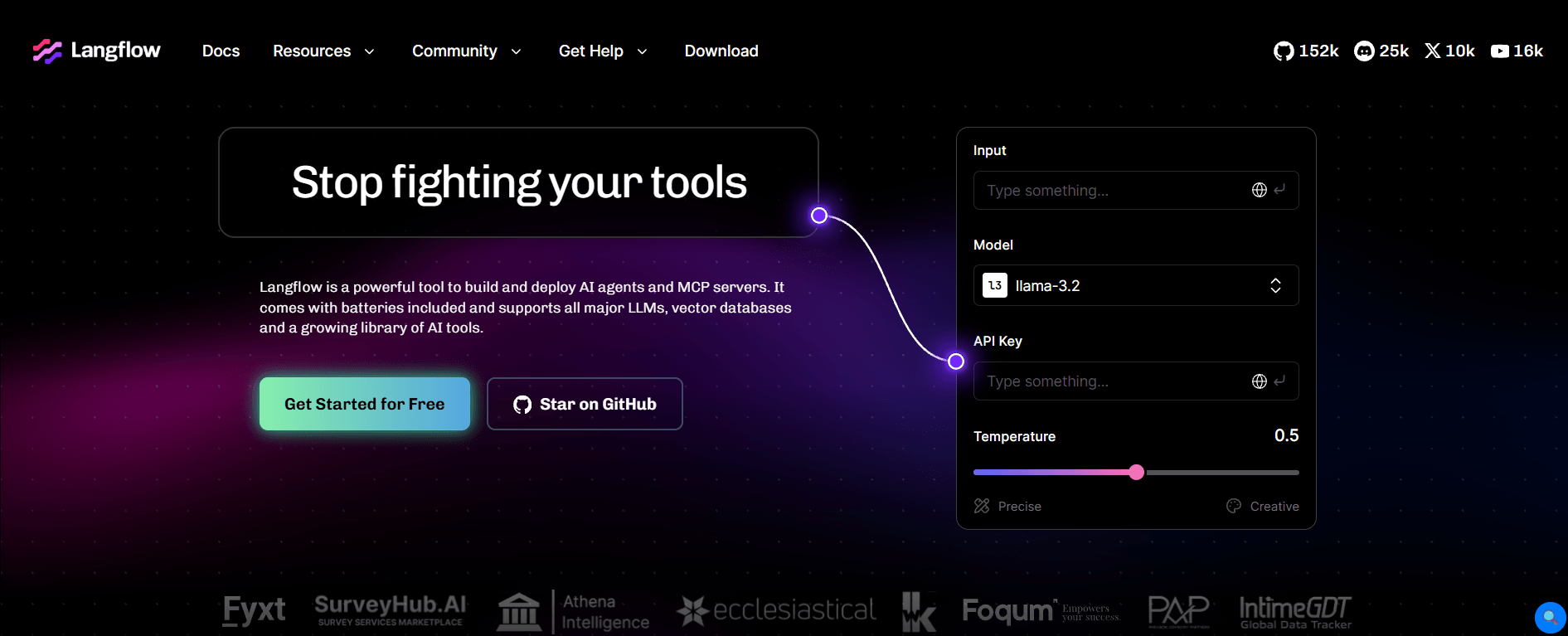
5. Langflow

langflow

If you have heard some good things about LangChain but do not feel like implementing everything in Python, then Langflow is something to consider. Rather than coding complicated workflows yourself, you can simply construct your AI workflow visually and know exactly how data flows between prompts, models, memories, and other external services.

I would not recommend it to somebody looking for a basic chatbot, but if you are a developer or a tech team that plays around with AI, then Langflow is among the best visual tools.

Strengths

  • Drag-and-drop workflow builder
  • Built on LangChain
  • Open-source
  • Supports multiple language models
  • API deployment
  • Component-based architecture
  • Extensible with custom nodes

Limitations

  • Better suited for technical users
  • Requires some understanding of LLM workflows

Best For

Developers, AI engineers, and technical teams building advanced AI agents.

Pricing

  • Open Source – Free
  • Self-hosted deployment – Free
  • Enterprise support – Custom pricing

Wrapping It Up

Based on my experience with these builders, I don’t believe that there is a single tool that suits all people.

When it comes to the best AI agent builder free tools, I would recommend trying Flowise, Dify, or n8n. These platforms have enough functionalities to use even without subscribing to a paid subscription.

When enterprise security and governance are your primary concerns, then Copilot Studio by Microsoft or Vertex AI Agent Builder should be your first choice, especially if you are using Microsoft or Google Cloud Platform.

In terms of customer support and conversational AI, Botpress makes a good compromise between usability and advanced features.

Fortunately, almost all of the platforms we have mentioned above have a free tier available for you to try building an agent and see whether it’s worth upgrading.

By Alex Peter

Alex Peter is an AI specialist at Innovexa AI with more than 5 years of practical experience in artificial intelligence. He focuses on AI agents, AI workflows, cutting-edge AI tools, and the latest advancements shaping the industry. Passionate about simplifying complex concepts, Alex writes insightful content that helps readers stay informed and ahead in the fast-changing world of AI.

11 Best AI Voice Agents for Customer Service in 2026

Phone-based support is always among the most popular support methods. According to HubSpot, 69% of people prefer phone-based support for its convenience in getting prompt help.

But having a big team of support staff members is costly, while long waiting periods can really disappoint clients. For that reason, more companies nowadays use AI voice agents for brands, which help handle routine phone inquiries and provide 24/7 support.

If the company uses the best AI call agents, it will save time and costs and please clients. We have tested every platform listed below for our users to select the best one for them. Please find the best voice AI for customer support in our guide.

Quick Comparison Table

Platform

Best For

Starting Price

Free Trial

Five9 Enterprise Contact Centers Custom Pricing Demo Available
Genesys Cloud CX Large Businesses From $75/user/month No
NICE CXone Enterprise Support Teams Custom Pricing Demo Available
Talkdesk Growing Businesses Custom Pricing Demo Available
Aircall Small & Mid-Sized Businesses Custom Pricing Available
Dialpad Small Businesses Custom Pricing Available
RingCentral Scaling Businesses Custom Pricing Available
Freshdesk Contact Center Small Teams From $15/user/month Available
Zendesk Voice Existing Zendesk Users Add-on Pricing Available
Intercom Customer Engagement Teams Custom Pricing Available


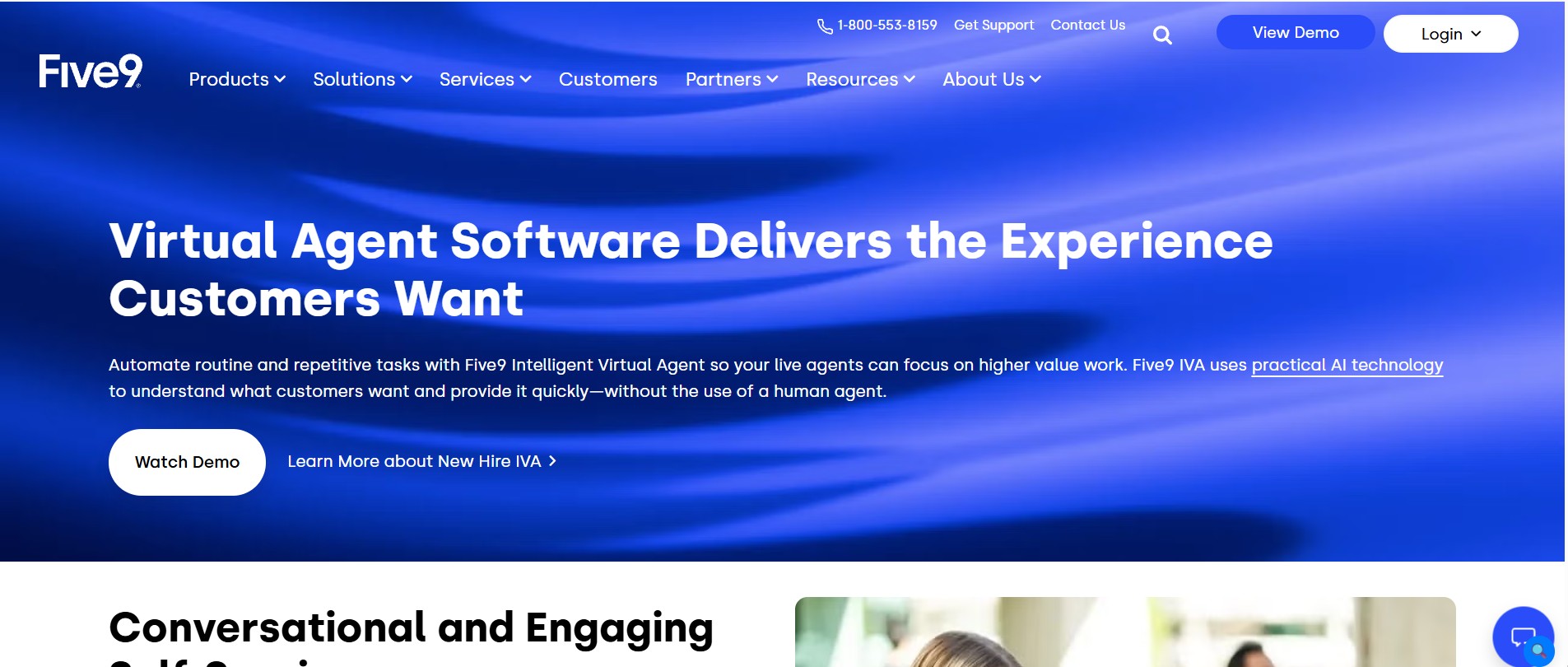
1. Five9 Intelligent Virtual Agent

five nine

If your customer service team is experiencing high levels of call traffic, chances are you have learned that increasing your staff will not solve all your problems. At some point, the cost keeps rising without resolving the problem for the customer. This is where Five9 comes in. They handle routine interactions, give the right information to your customers, and route calls to the correct departments.

Key Features:

  • Omnichannel Support
  • Seamless Agent Handoff
  • Life-like Voice Avatars
  • Visual No-Code Builder
  • Extensive Language Capabilities
  • Secure Transactions
  • Virtual Voiceover

Five9 Pricing

  • Enterprise: Contact Sales

Read More: What is an AI Agent? A Complete Guide

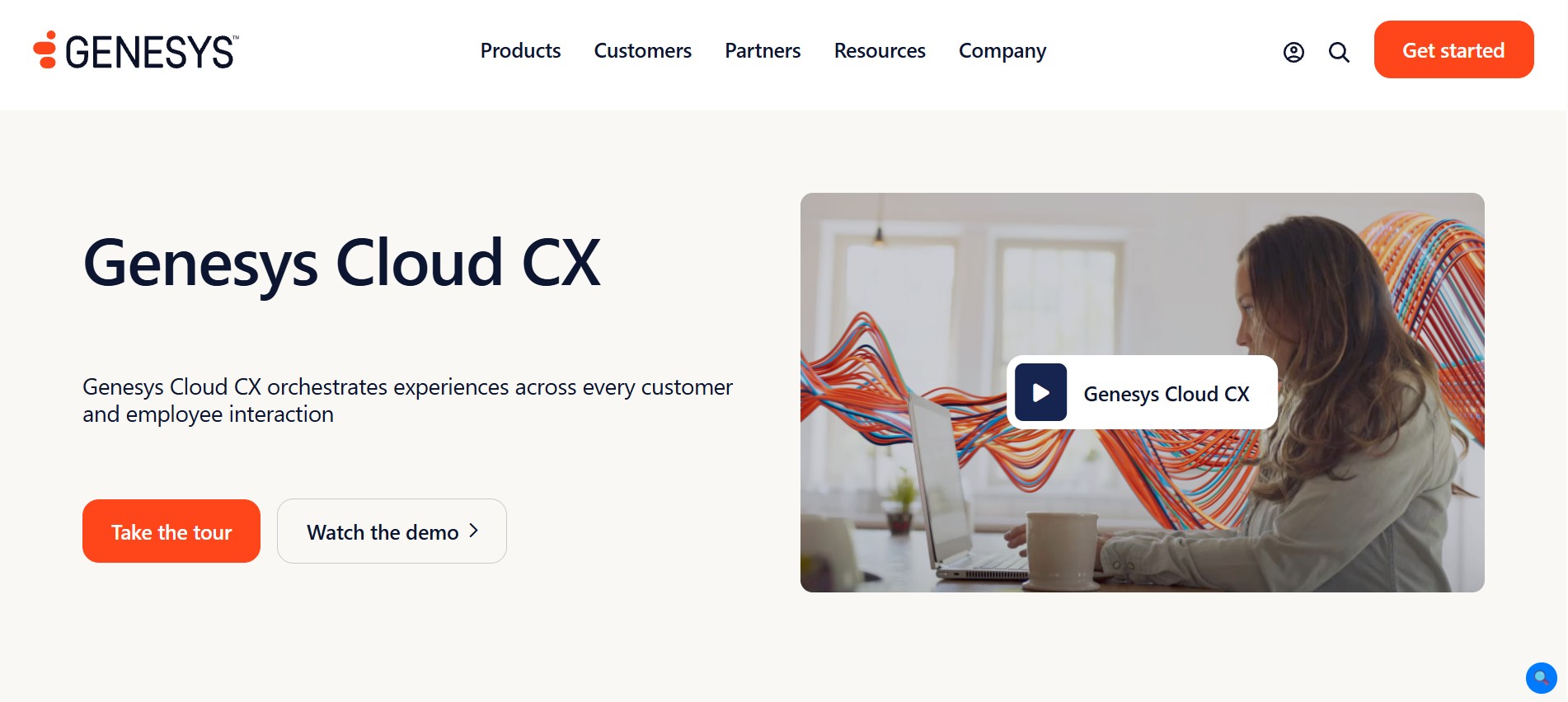
2. Genesys Cloud CX

Genesys Cloud CX

Customer that begins the interaction with live chat, continues to communicate via email, and later contacts your customer support via telephone after some days. If the conversations aren’t linked together, frustration will become an obvious outcome. That’s where Genesys Cloud CX comes into play and helps to resolve such issues since it’s an all-in-one tool for customer interaction.

Key Features:

  • Voice virtual agents
  • Chat virtual agents
  • Predictive routing
  • Customer journey analytics
  • Workforce management
  • Quality assurance tools
  • Speech and text analytics
  • CRM integrations
  • Omnichannel communication
  • Agent coaching
  • Knowledge management
  • AI-powered insights
  • Workforce scheduling
  • Real-time reporting

Genesys Pricing

  • CX 1: $75/user
  • CX 2: $115/user
  • CX 3: $155/user
  • CX 4: $240/user

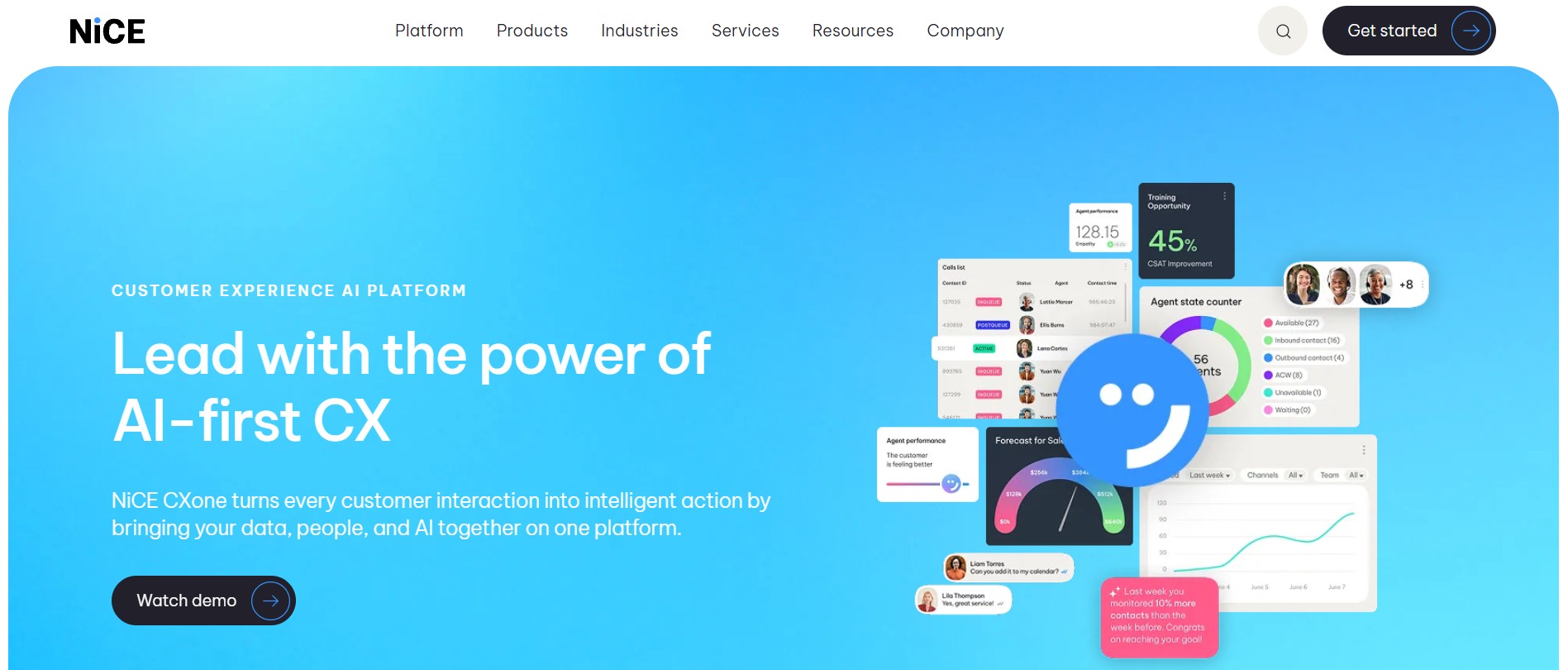
3. NICE CXone

NICE CXone

Answering phone calls from clients is critical, but having an idea about what clients want when they place those phone calls is even more important. The software tool NICE CXone puts much emphasis on analytics and performance insights that assist companies in identifying trends. If your company makes data-driven decisions, you will like the amount of insight NICE CXone gives you.

Key Features:

  • AI-powered virtual assistants
  • Intelligent call routing
  • Self-service automation
  • Speech analytics
  • Workforce optimization
  • Performance management
  • Omnichannel support
  • Agent assist tools
  • Call recording
  • Customer journey analytics
  • Quality management
  • Predictive engagement
  • Knowledge management
  • Real-time dashboards

NICE CXone Pricing

  • Enterprise: Contact Sales

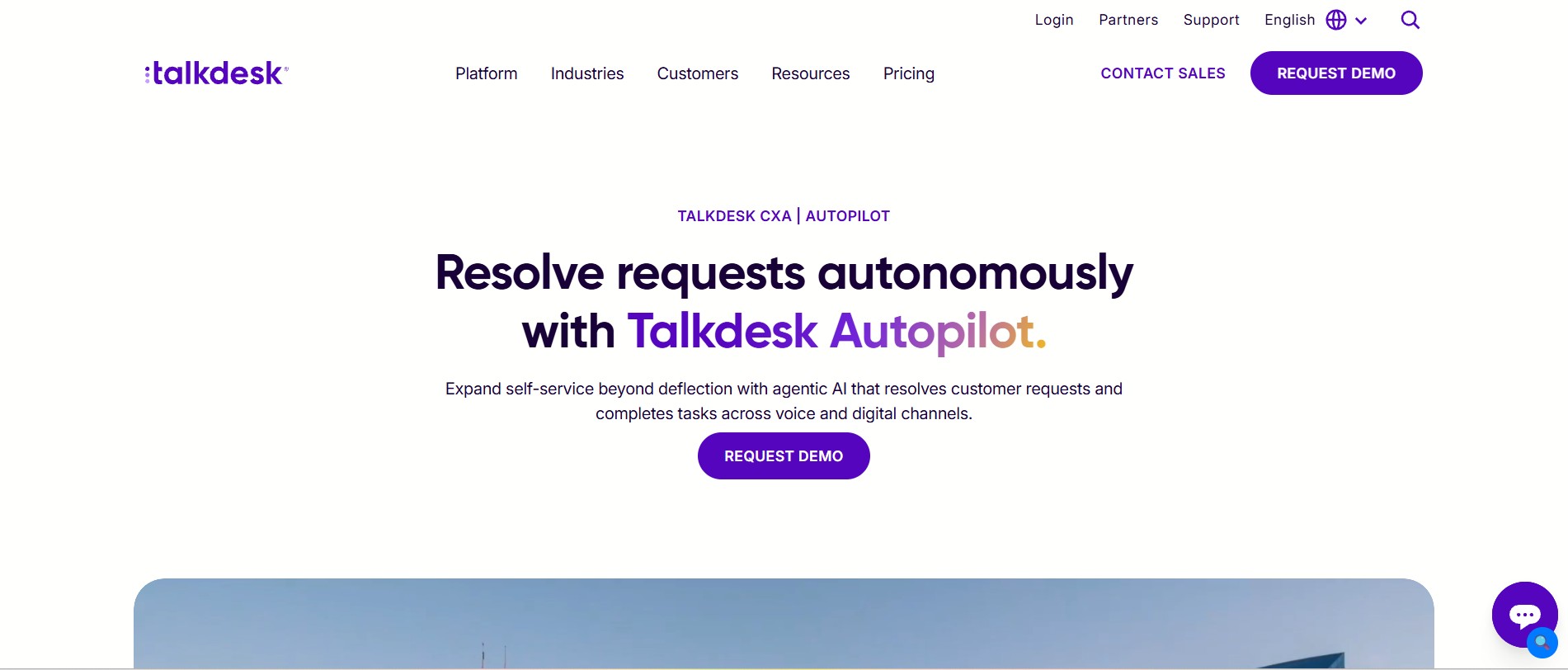
4. Talkdesk Virtual Agent

Talkdesk Virtual Agent

All firms do not necessarily need to take several months to set up their customer service solution. Some companies simply need a solution that works to help decrease calls as well as does not generate additional workload. This is among the reasons why Talkdesk can be considered by various companies since it offers robust automation while being manageable at the same time.

Key Features:

  • Voice virtual agents
  • Omnichannel support
  • Workflow automation
  • Intelligent routing
  • CRM integrations
  • Speech analytics
  • Agent assistance tools
  • Workforce management
  • Call recording
  • Customer experience analytics
  • Knowledge base integration
  • Quality monitoring
  • API access
  • Reporting dashboards

Talkdesk Pricing

  • Enterprise: Contact Sales

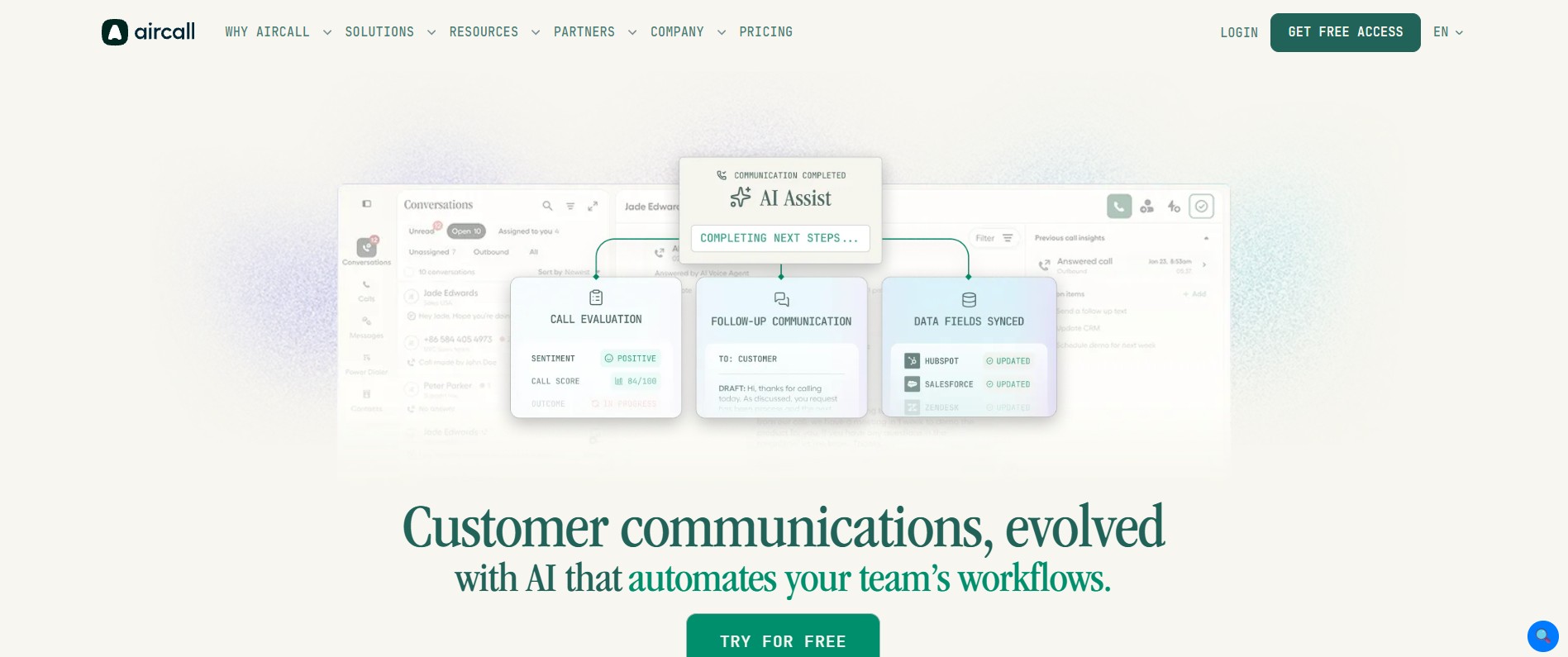
5. Aircall AI Voice Assistant

Aircall AI Voice Assistant

As a business owner who is operating a small or medium sized company, you do not have the need for an expensive enterprise contact center. Instead, what you need is a simple telephone system that is easily integrable with your CRM and which will allow your clients to get in touch with the appropriate personnel within no time. This is precisely where Aircall shines through.

Key Features:

  • Cloud calling
  • Intelligent call routing
  • IVR system
  • Call recording
  • CRM integrations
  • Power dialer
  • Shared call inbox
  • Analytics dashboard
  • Call monitoring
  • Queue management
  • International calling
  • Business SMS
  • API integrations
  • Mobile and desktop apps

Aircall Pricing

  • Essentials: From $30/user
  • Professional: Custom Pricing

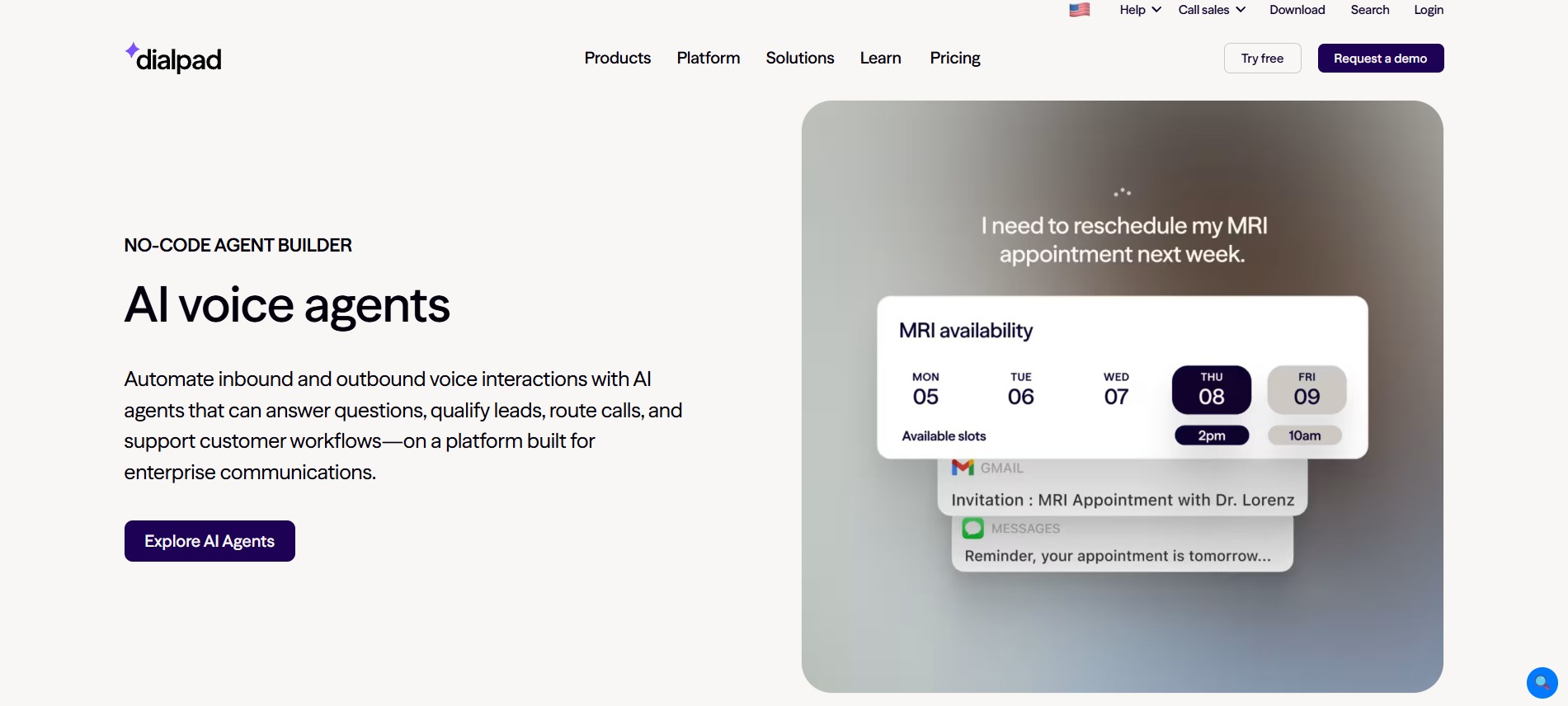
6. Dialpad AI Voice

Dialpad AI Voice

The small companies are also supposed to offer high-quality customer services just like the large organizations but using little budget. Dialpad can bridge this gap through its unique features such as live call transcription and automatic summarization which save time and effort for agents after each call. Dialpad offers an affordable solution to customers who want to upgrade their customer service.

Key Features:

  • Real-time transcription
  • AI-generated call summaries
  • Voice intelligence analytics
  • Sentiment analysis
  • Live agent coaching
  • Automated call routing
  • CRM integrations
  • Call recording
  • Business phone system
  • Contact center platform
  • Voicemail transcription
  • Open API access
  • Quality monitoring
  • Workforce insights

Dialpad Pricing

  • Standard: From $15/user
  • Pro: From $25/user
  • Enterprise: Contact Sales
  • AI Contact Center: Custom Pricing

7. RingCentral Contact Center

Handling different tools for making calls, sending messages, scheduling meetings, and providing customer support can be a challenging task as your business expands. RingCentral unites all these activities into a single system. This results in reduced maintenance and uniform experience for your staff members and clients alike. For businesses that are expanding, this feature can prove to be very beneficial.

Key Features:

  • AI-powered virtual agents
  • Omnichannel customer support
  • Intelligent call routing
  • Workforce engagement tools
  • CRM integrations
  • Real-time analytics
  • Call recording
  • Quality monitoring
  • IVR automation
  • Agent assist tools

RingCentral Pricing

  • Enterprise: Contact Sales

8. Freshdesk Contact Center

Freshdesk Contact Center

But let’s face the truth—every company doesn’t have enough money to implement such an advanced solution. And that’s what makes Freshdesk Contact Center so attractive—it provides everything you need in terms of automation, call routing, and voice services at a relatively low cost. If you’re searching for an affordable option, Freshdesk is surely worth trying.

Key Features:

  • Cloud telephony
  • Intelligent call routing
  • Call recording
  • Voice bots
  • Ticket integration
  • IVR automation
  • CRM integrations
  • Real-time monitoring
  • Agent performance tracking
  • Multi-level call queues

Freshdesk Pricing

  • Growth: $15/user
  • Pro: $49/user
  • Enterprise: $79/user

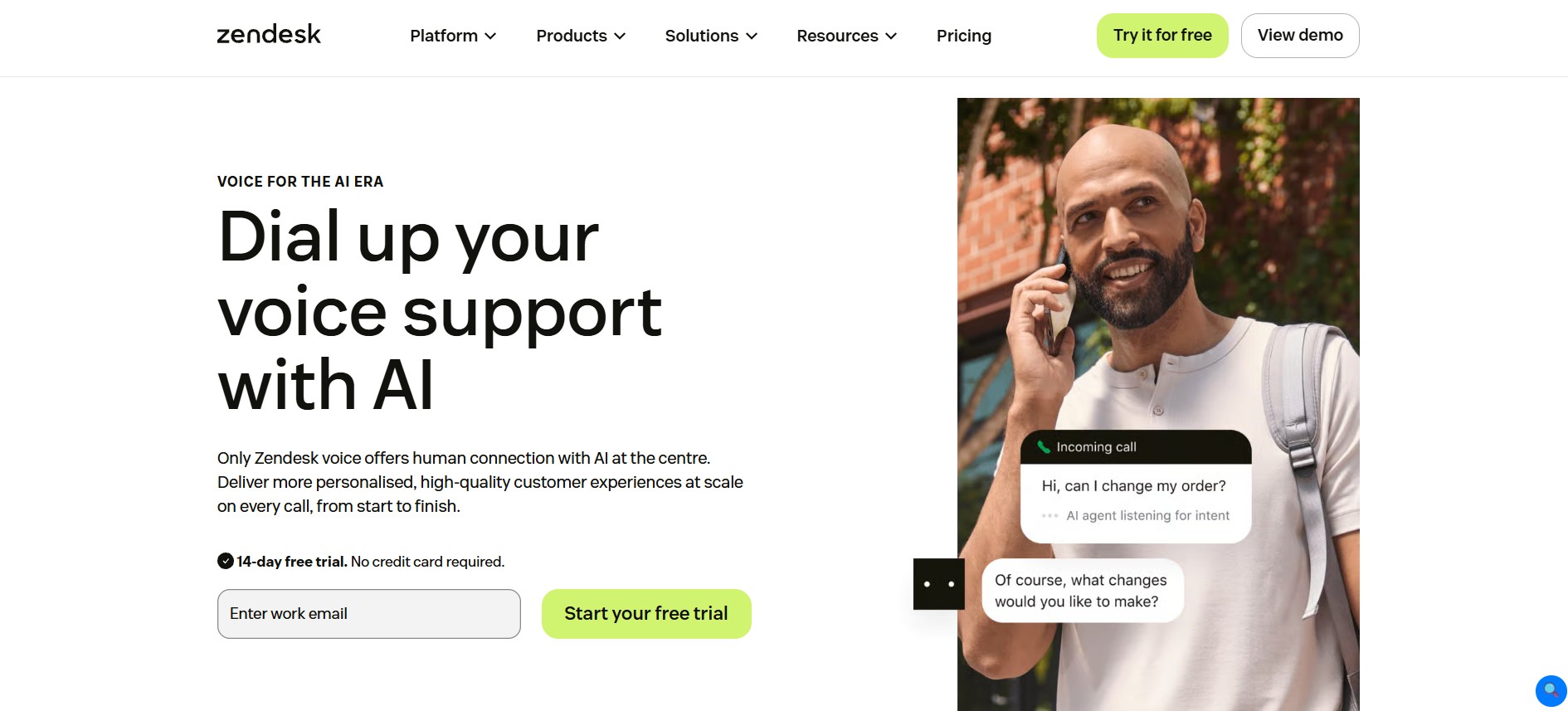
9. Zendesk Voice

Zendesk Voice

For teams that are already familiar with Zendesk on a daily basis, introducing Zendesk Voice is almost like taking a natural progression into the future. With Zendesk Voice, there will be no need for agents to go back and forth from one platform to another; everything can be done from one workspace. This may not seem significant, but it actually can save quite a lot of time.

Key Features:

  • Integrated phone support
  • Ticket creation from calls
  • Call recording
  • Voicemail transcription
  • IVR system
  • Call routing
  • Customer history tracking
  • Omnichannel support
  • Analytics dashboards
  • Agent workspace

Zendesk Voice Pricing:

Voice Add-on: Usage-Based

10. Intercom Voice Solutions

Intercom Voice Solutions

There are companies which treat their support function as a cost center, while others see customer support as an avenue for building closer relations with their customers. This product was built for the latter. While the application may have features for handling customer support conversations, its key purpose is the creation of more personal experiences for the clients.

Key Features:

  • AI-powered customer support
  • Knowledge base integration
  • Multilingual support
  • Conversation routing
  • Workflow automation
  • Agent handoff
  • Customer segmentation
  • Reporting dashboard
  • CRM integrations
  • Custom workflows

Intercom Pricing

  • Essential: From $39/month 
  • Advanced: Custom

11. Glean AI Agent

glean

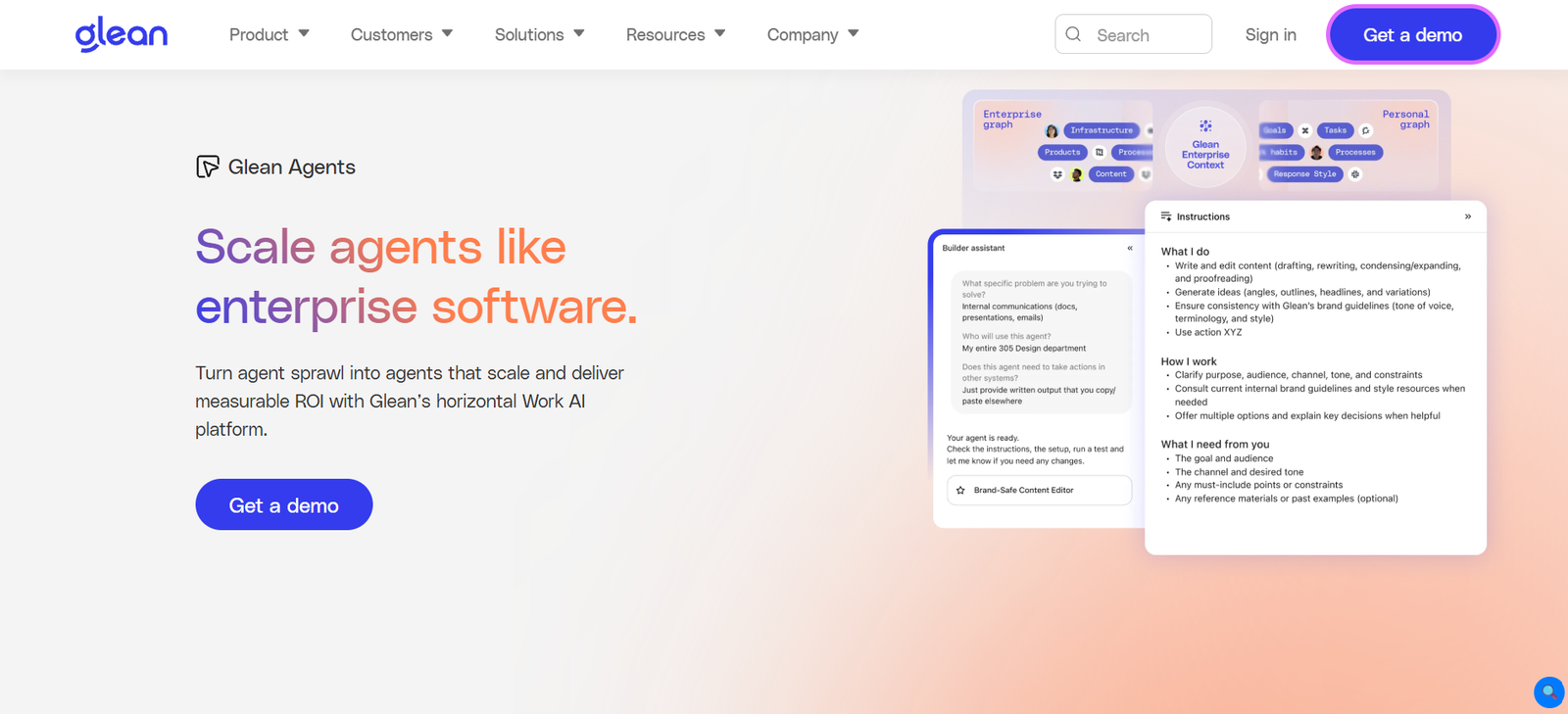
Mid-size to large organizations should consider incorporating Glean into their workflow. The platform lets you turn agent sprawl into agents that scale and deliver measurable ROI with Glean’s horizontal Work AI platform. Deploy agents for the customer service confidently with permissions-aware governance and real-time oversight.

Key Features

  • Surfaces the right answers
  • Recommends the next steps
  • Built-in security
  • Flexible building features with customization
  • Deep insights into adaptation and ROI
  • AI-powered insights

Glean Pricing:

  • Enterprise: Contact Sales

Wrapping It Up

The choice of the right voice AI agent for brands can prove to be beneficial for the customer service department. The ideal platforms will assist companies in providing a quicker response and handling routine processes effectively.

Note: The pricing is listed in the above guide as current website data. This can be changed in the future.

By Alex Peter

Alex Peter is an AI specialist at Innovexa AI with more than 5 years of practical experience in artificial intelligence. He focuses on AI agents, AI workflows, cutting-edge AI tools, and the latest advancements shaping the industry. Passionate about simplifying complex concepts, Alex writes insightful content that helps readers stay informed and ahead in the fast-changing world of AI.